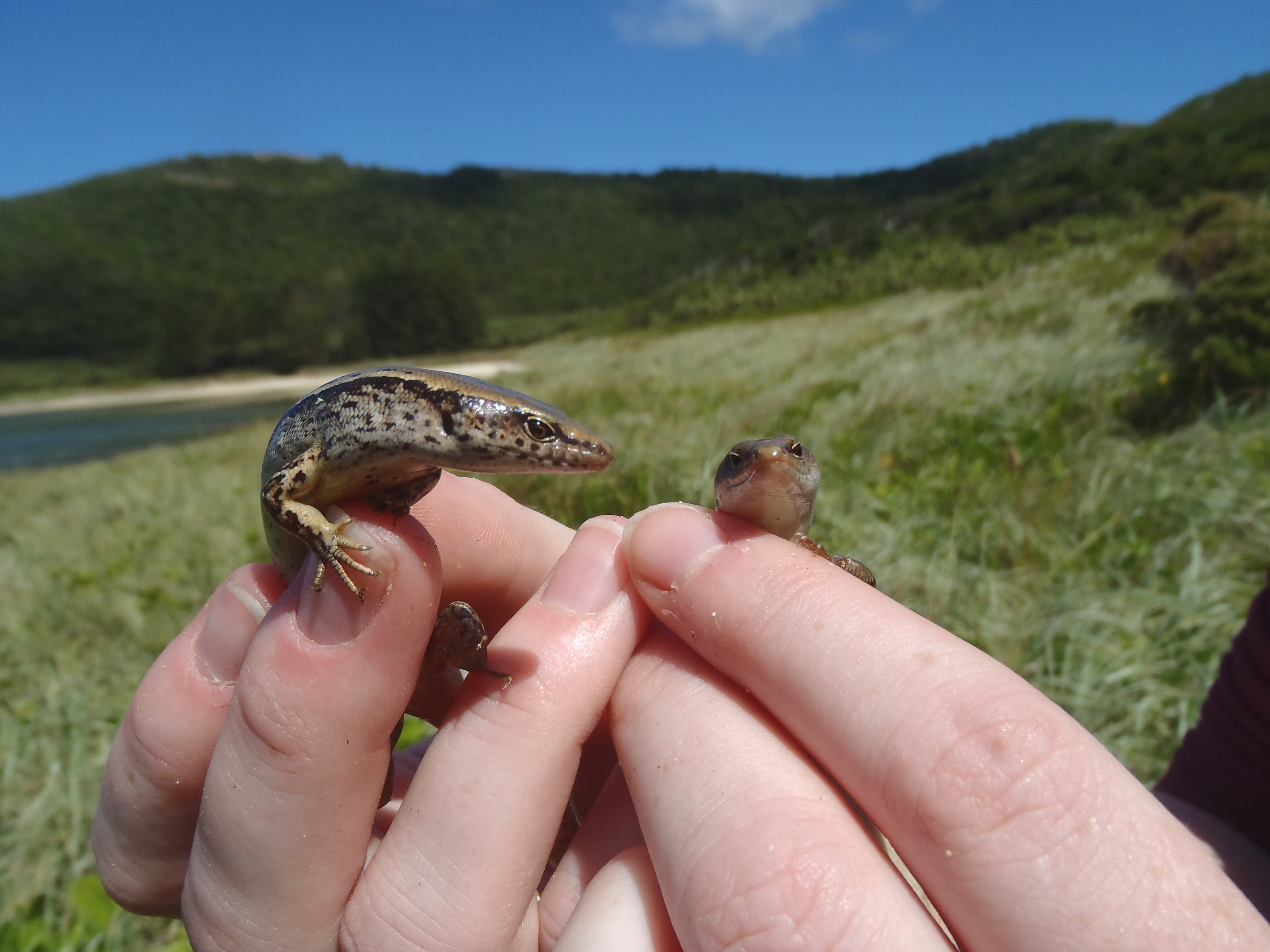
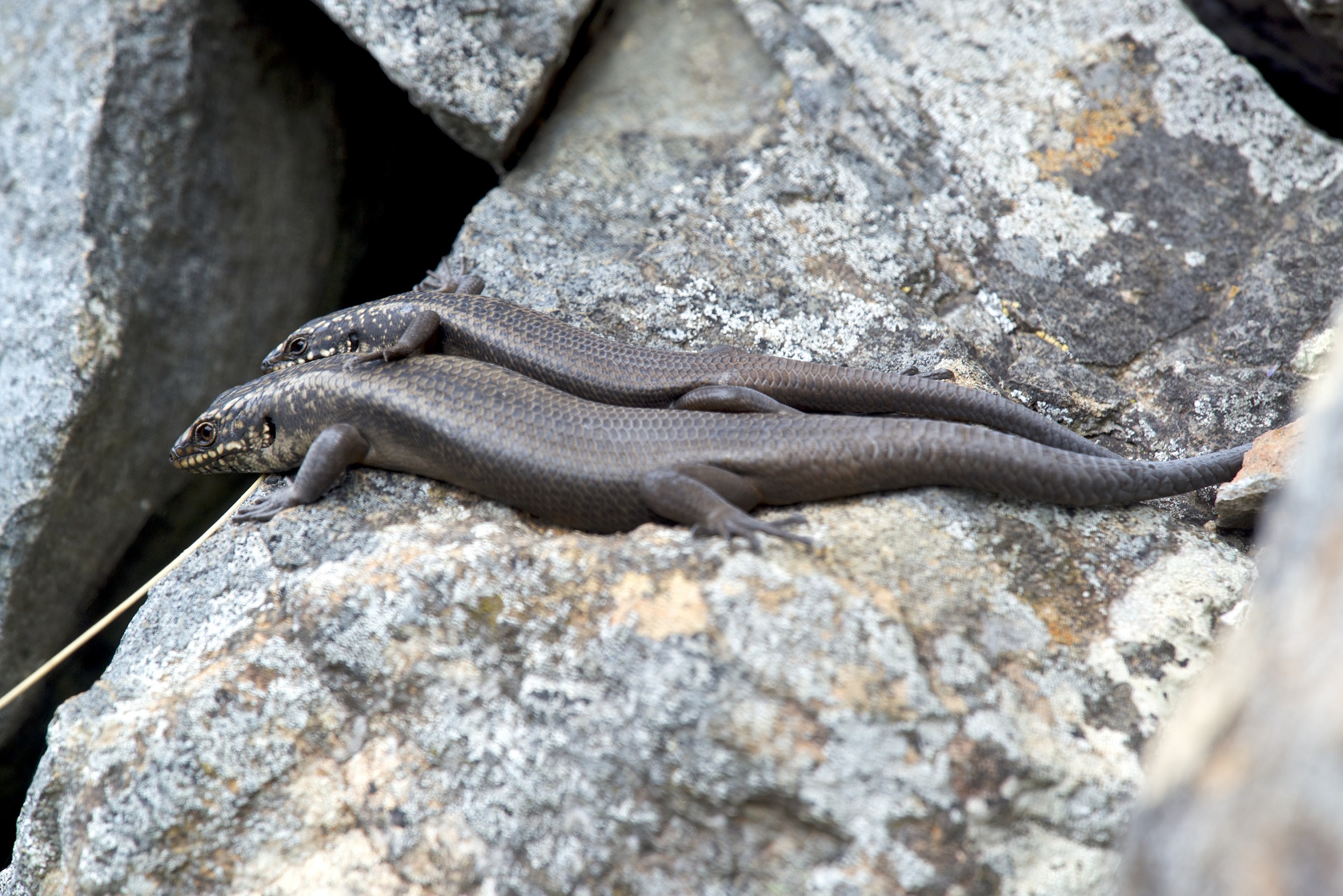
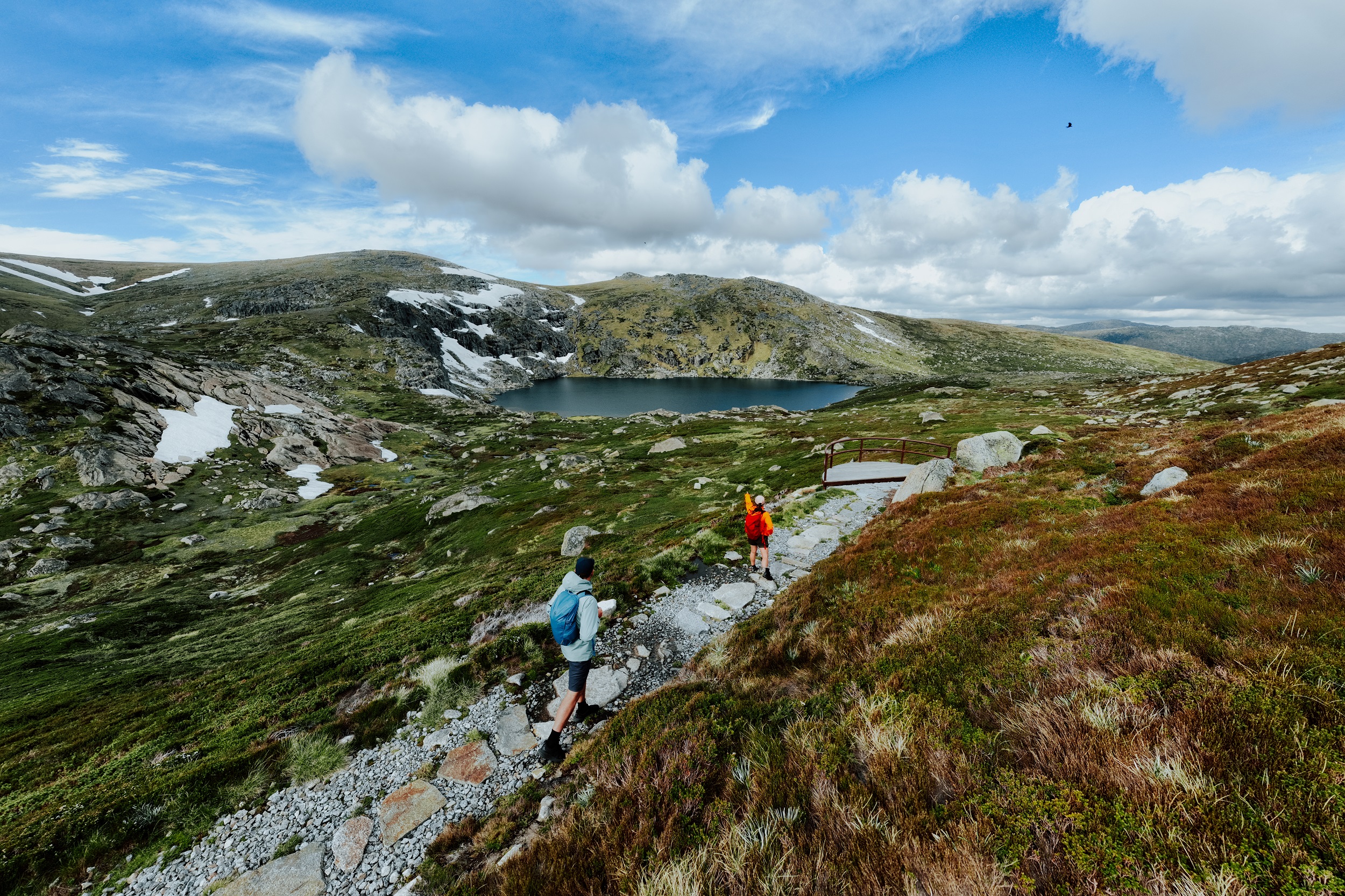
We’re working with the Saving our Species program on actions that will help protect the endangered Guthega skink and alpine she-oak skink, including population monitoring, mapping their habitat and capturing genetic data. Controlling feral animals and managing disturbances from both fire and people will also benefit all the native species living in this ecosystem.
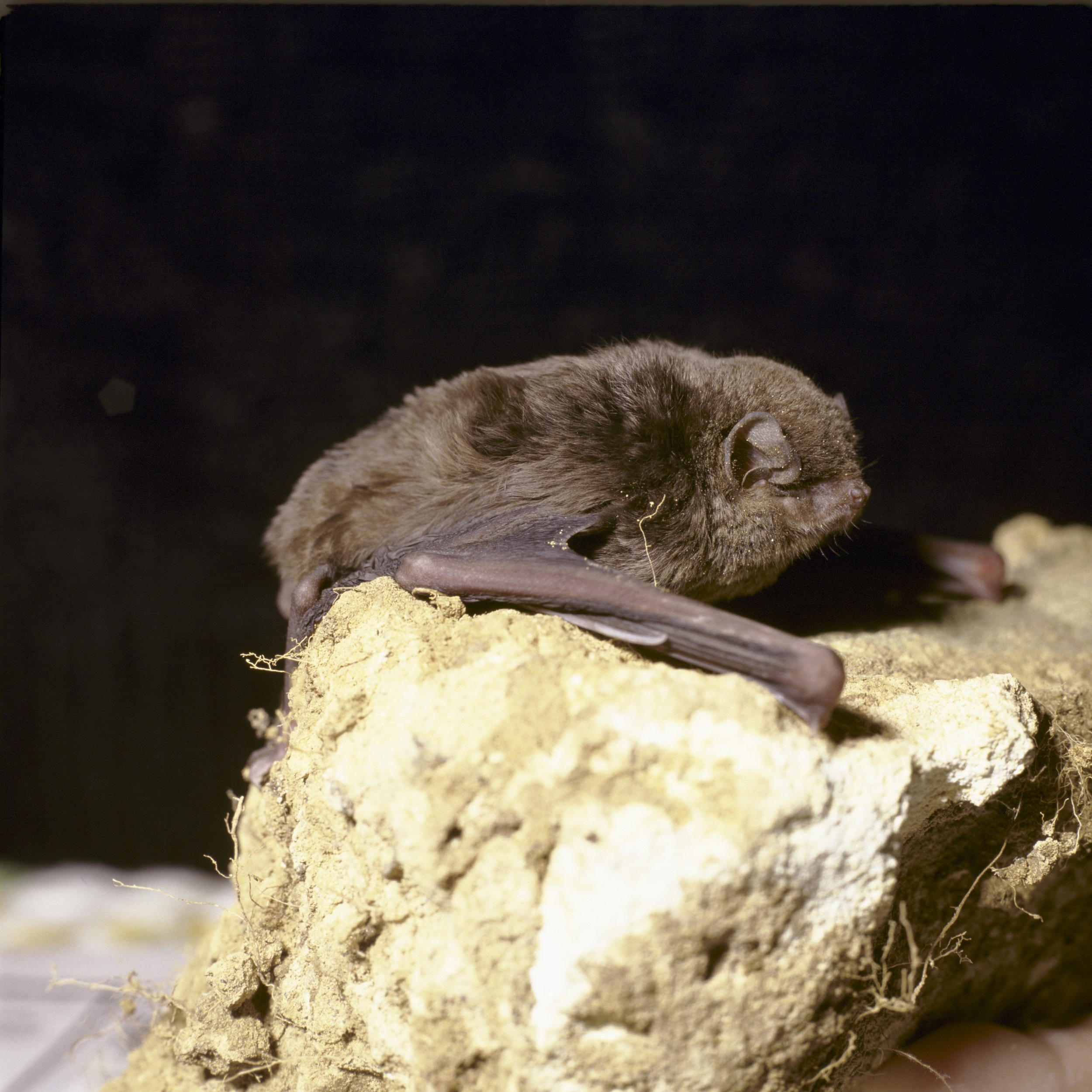
The Guthega skink and alpine she-oak skink have an extra layer of protection too; we’ve prioritised their conservation and declared their habitats as Assets of Intergenerational Significance (AIS). The Kaputar rock skink (pictured above) is critically endangered and protected as part of the AIS program.
Did you know? Assets of Intergenerational Significance are declared to bolster protections for an area with exceptional environmental or cultural values. AIS sites have been declared to provide increased legal protections for the habitat of some of the most threatened and irreplaceable animals and plants in our parks.
When you’re in their habitat – or in any NSW national park – you can do your bit to protect these precious skinks. Keep your boots clean to stop the spread of weeds and diseases (you can find boot-cleaning stations in some of our parks), stick to the marked tracks, leave rocks as you find them (they might be home to native residents), and generally follow leave no trace principles.
They may lack the pretty colours and look-at-me charisma of some better-known native birds, but we think these (fairly average looking) birds deserve MVB – most valuable bird – status.
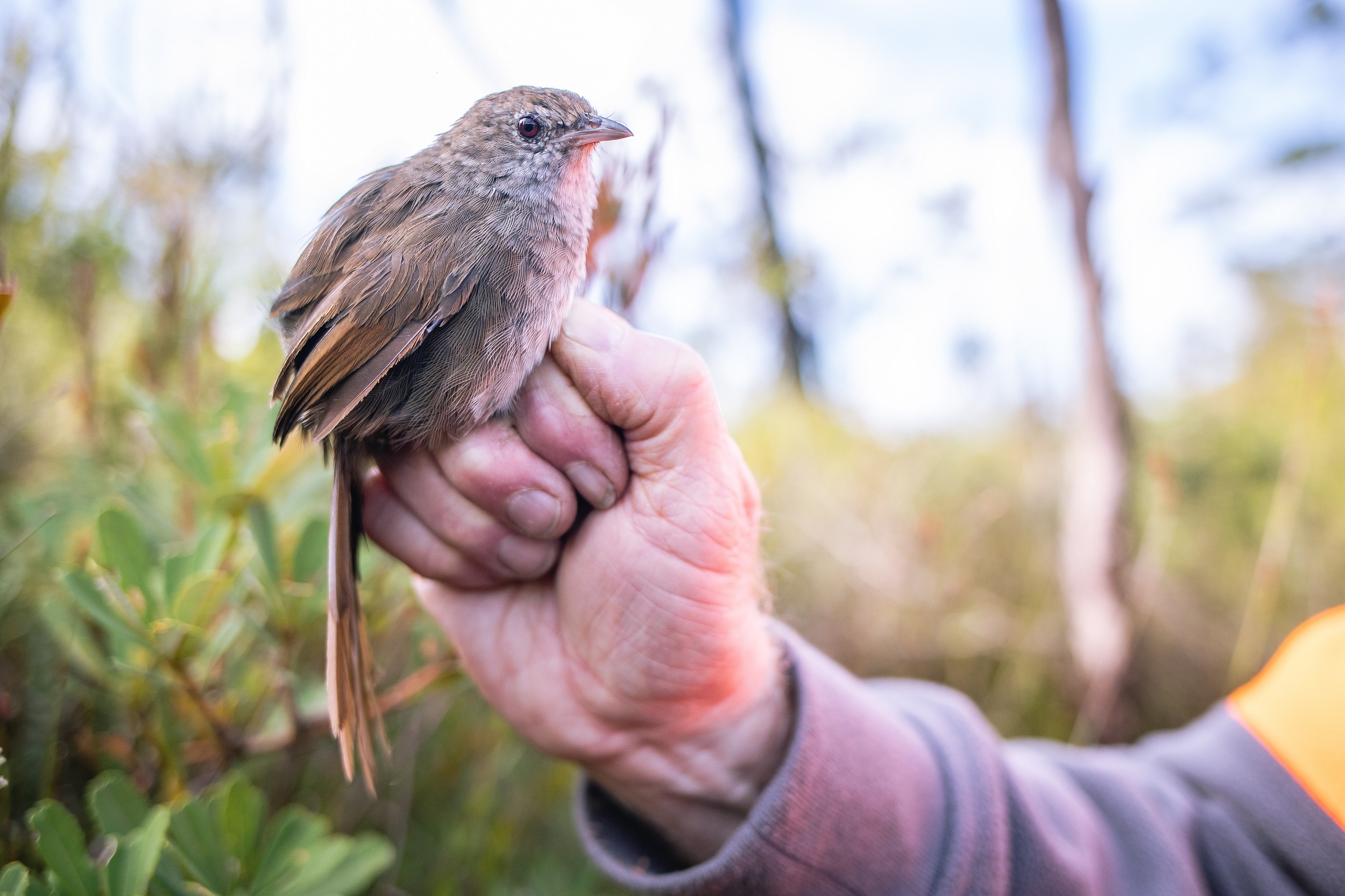
The Mukarrthippi grasswren has the unenviable title of the Australian bird that’s most likely to go extinct, with a 60% risk by 2041 unless we act quickly to secure its future. In 2021, there were estimated to be between four and 20 birds in the entire world, all of them at locations in or near Yathong Nature Reserve in Central West, NSW.
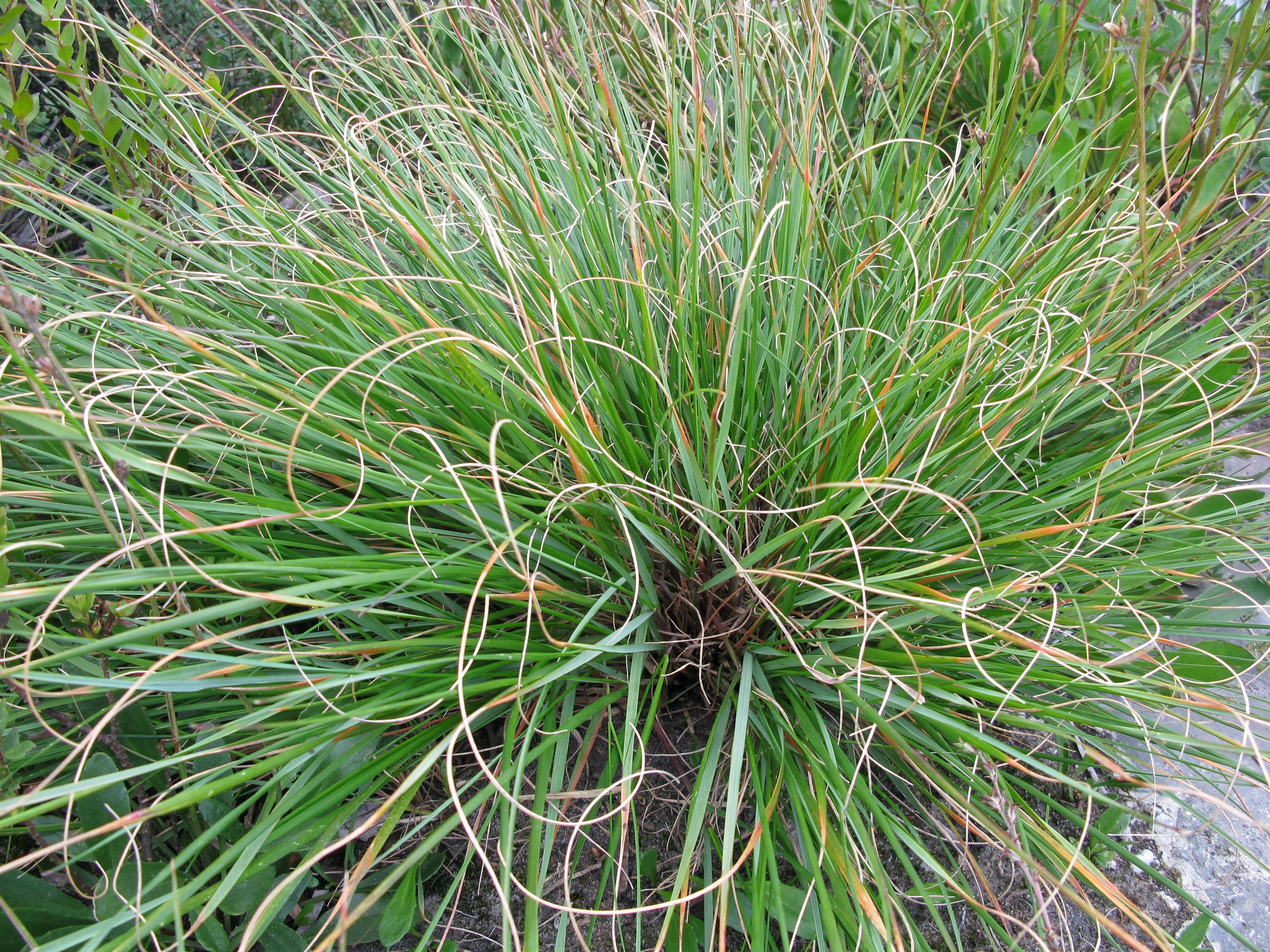
In early 2023, we conducted extensive surveys and discovered this rare species of grasswren at three new locations in Yathong Nature Reserve, nestled amongst their favourite habitat of spinifex and mallee trees. We’ve also safeguarded the bird by declaring its core habitat an Asset of Intergenerational Significance.
Pronounced mook-wah-tippy, Mukarrthippi translates to the “small bird of the spinifex” in the language of the Ngiyampaa people. The tiny bird weighs around 15 to 23 grams, or roughly the same as two AA batteries.
The shy, ground-dwelling eastern bristlebird is somewhat of a wallflower. Today in NSW, there are less than 2,500 of these cinnamon-brown birds remaining in the wild – found in parts of Nadgee National Park, Border Ranges National Park and on the Shoalhaven Coast.
Thankfully, the conservation of the endangered eastern bristlebird is in really good hands. A habitat restoration program for the small northern population is increasing the amount of grassy open forest, which the birds need to breed.
The Saving our Species program is also working closely with the Currumbin Wildlife Sanctuary on a captive breeding and release program, which uses a cutting-edge conservation technique known as ‘genetic rescue’ to bolster the birds’ numbers. Eastern bristlebird habitats are also protected as Assets of Intergenerational Significance.