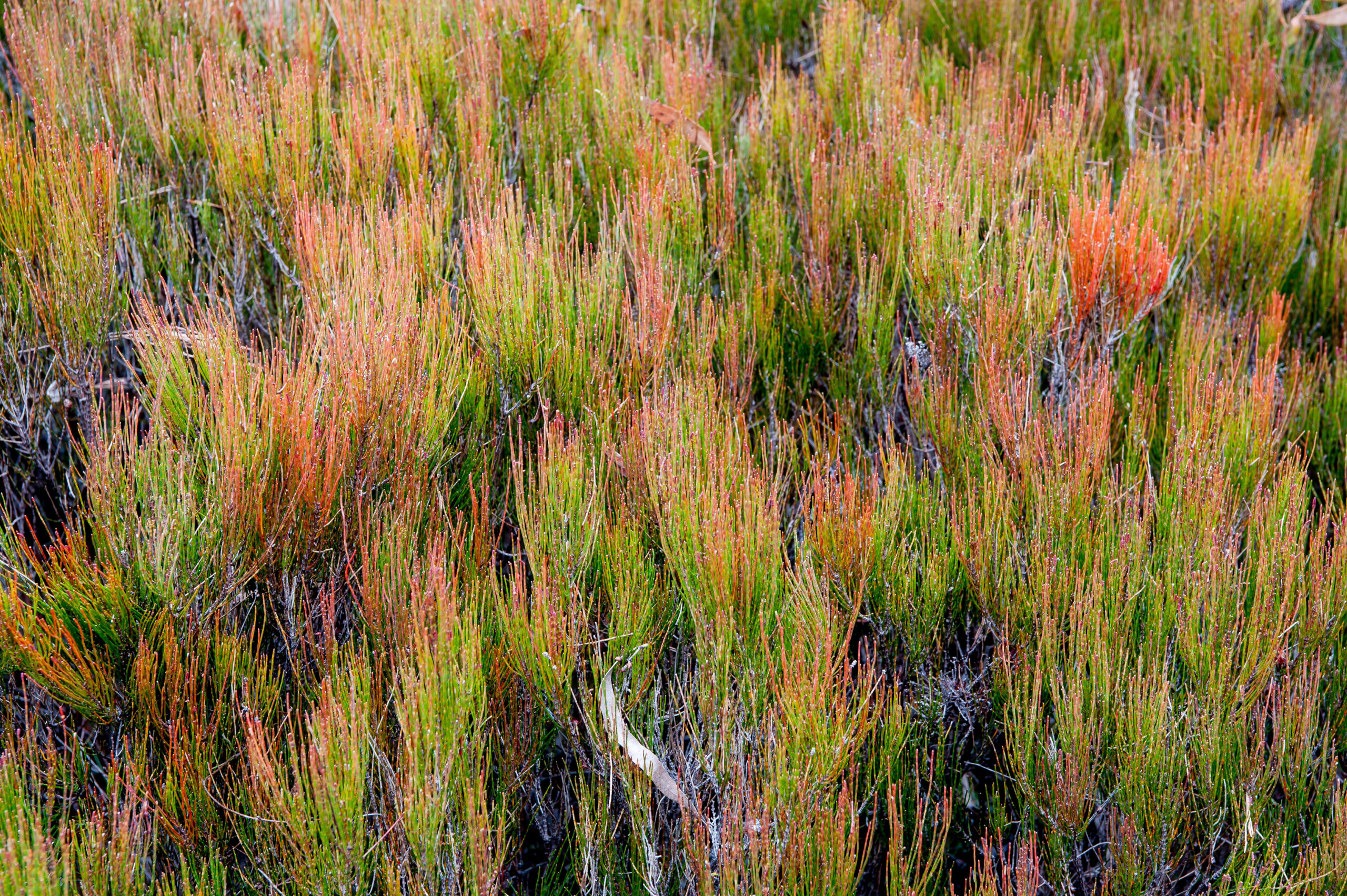
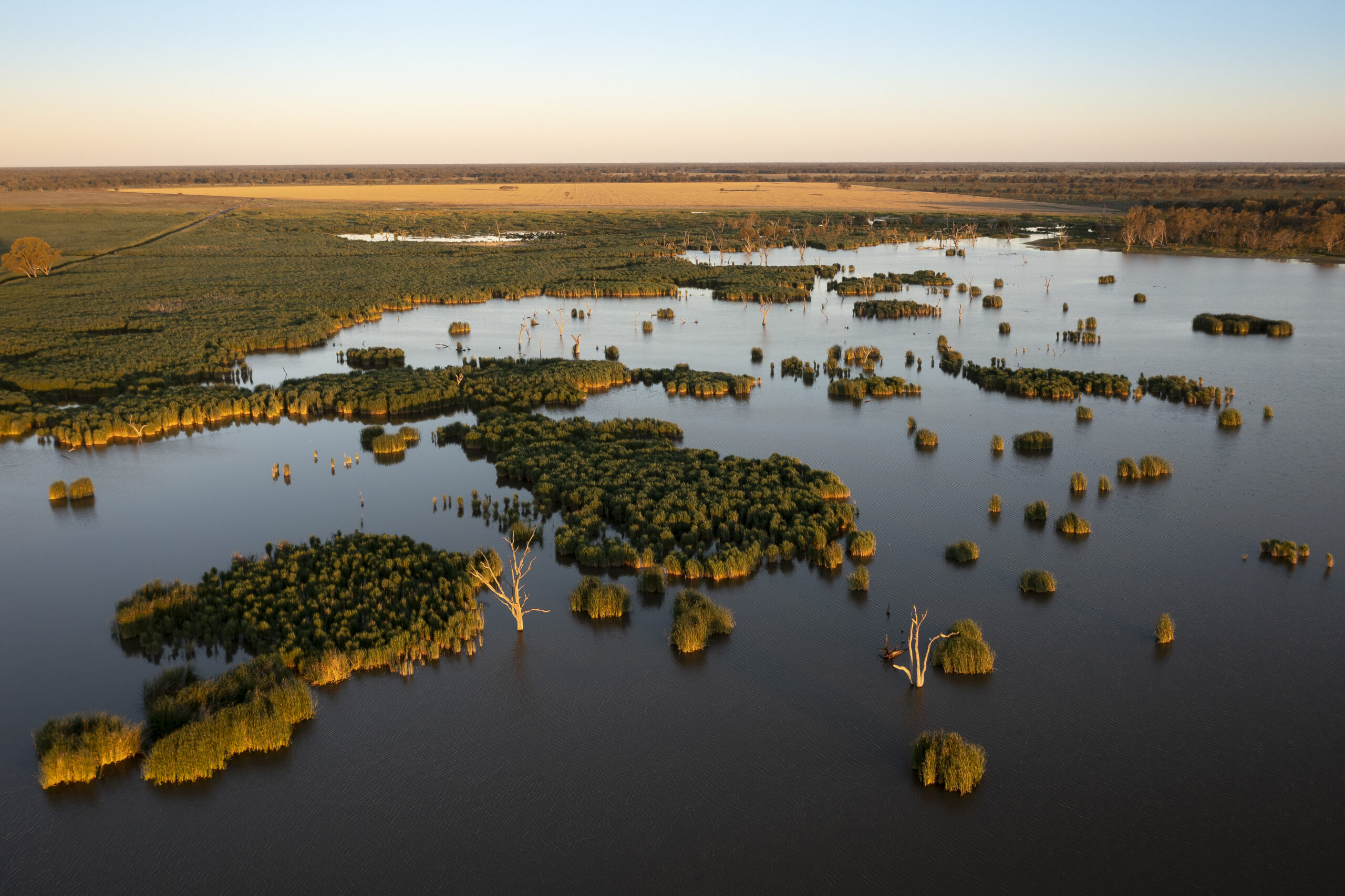
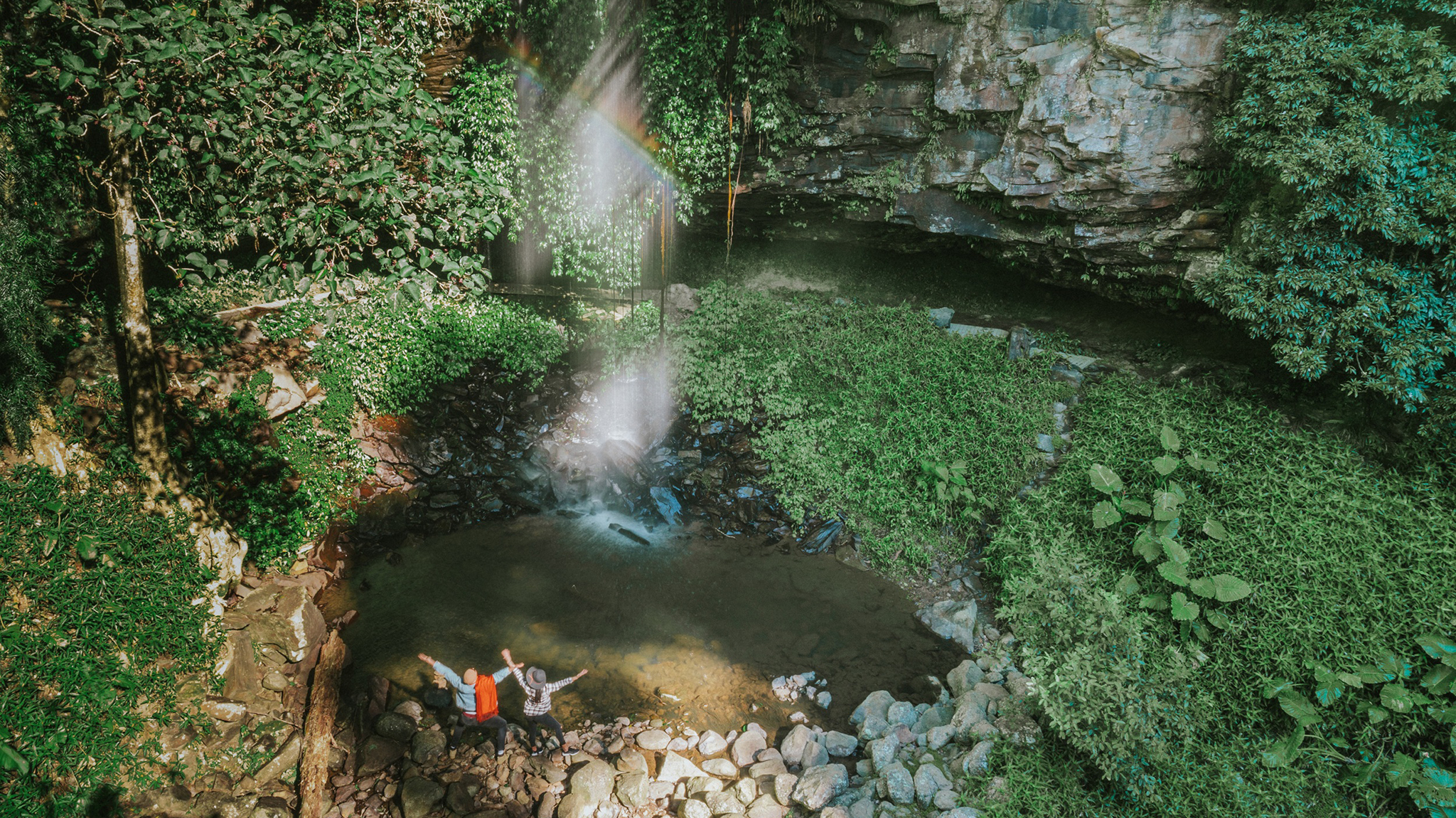
Wetlands are areas of land with permanent or temporary flooding, from either standing or slow-moving water. The plants and animals found in wetlands are influenced by the timing, frequency, duration, depth, and extent of this water. This makes wetlands highly diverse in their plant species - shrubs, sedges, rushes, herbs, ferns, and grasses can all thrive here.
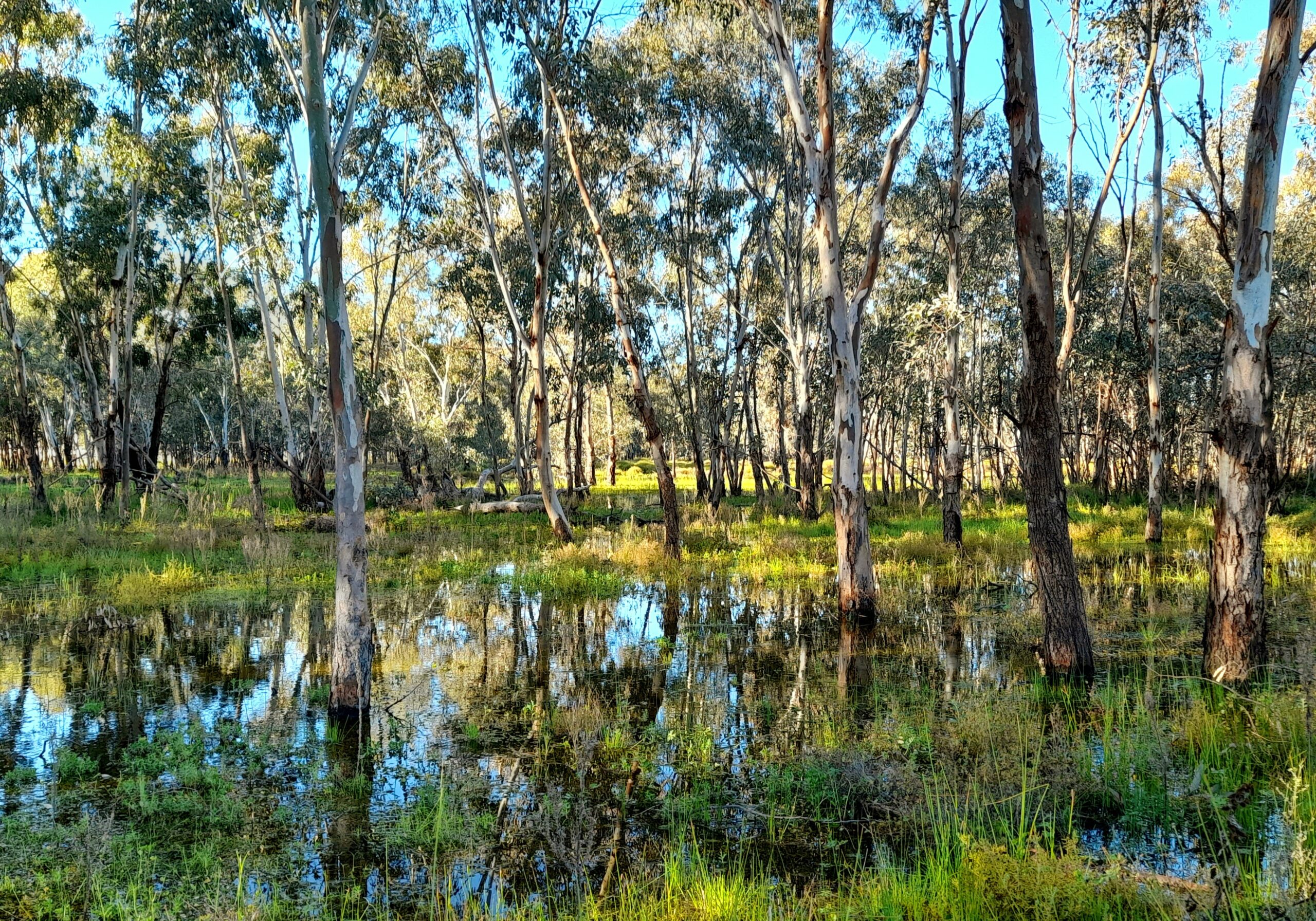
Did you know? Some wetlands can be dominated by trees – called forested wetlands, but differ from other forest types by the presence of ‘hydrophytes’ in their understorey. Hydrophytes are plants that have adapted to grow in flooded environments.
There are two broad types of wetlands in NSW: freshwater and saline. Saline wetlands differ from freshwater due to an abundance of salt - mangrove swamps, salt marshes, and inland saline lakes can all be found in these salty waters.
Unlike other environments in NSW, many common plant families, and even some species of plants, can be found in wetlands all over the world. While water helps to spread many aquatic plants, waterbirds are also key in spreading seeds, moving them over long distances in their feathers, feet or stomachs.
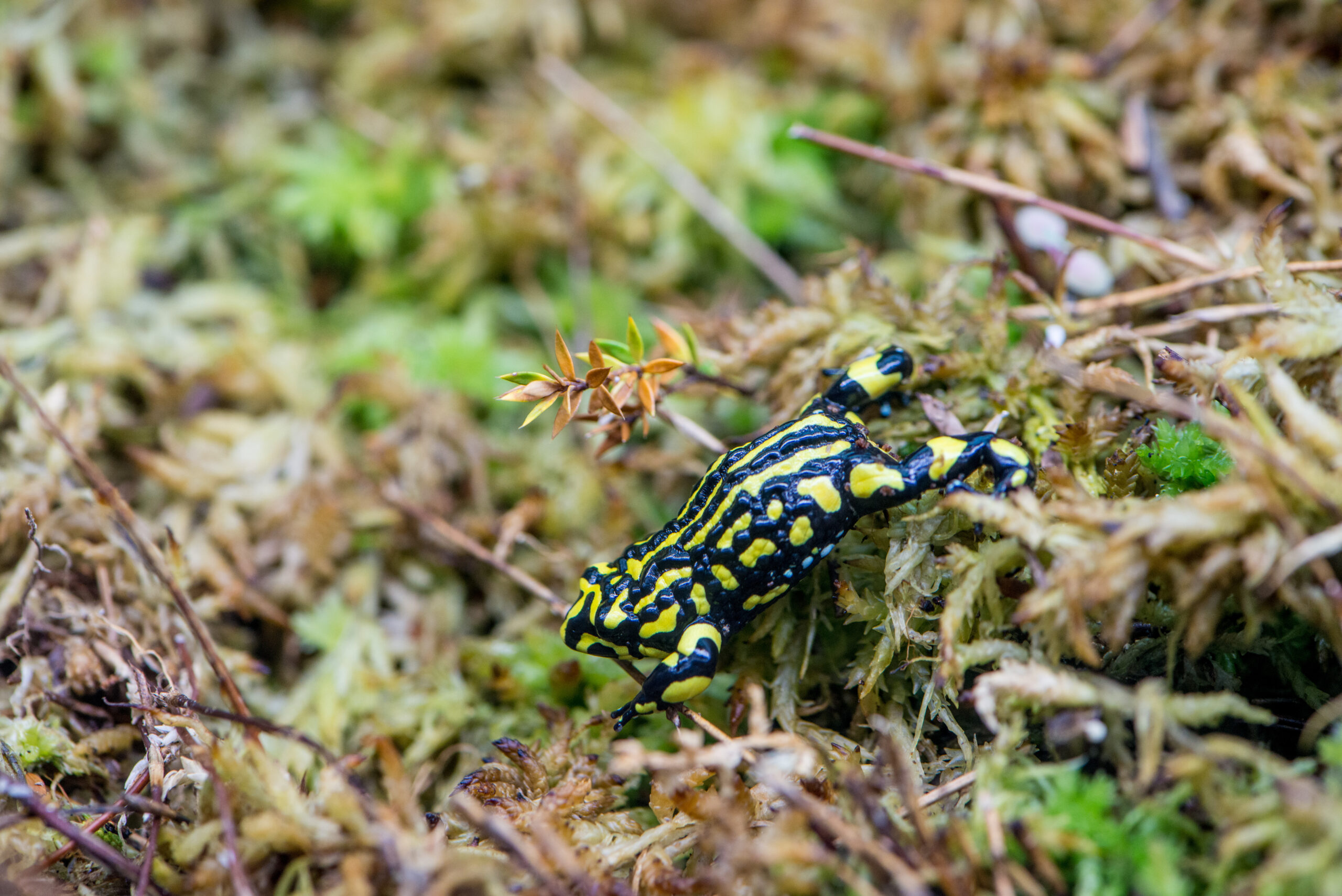
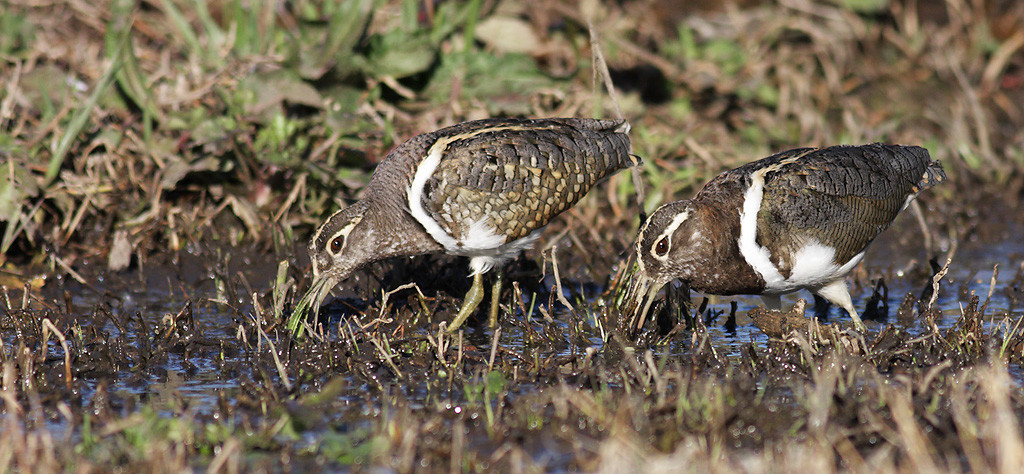
Because wetlands are rich in water and nutrients, they support an abundance of animals. Wetlands are crucial to the survival of threatened species across NSW, including the critically endangered southern corroboree frog in alpine sphagnum bogs and fens, and the wallum froglet in coastal sedgelands and wet heath. An array of waterbirds also live in coastal and inland wetlands, like the endangered Australian painted snipe.