Birds are giving us a run for our money when it comes to gender equality. While women are often the primary caregivers in many human cultures, among some birds, it’s the blokes taking on the bulk of the parenting.
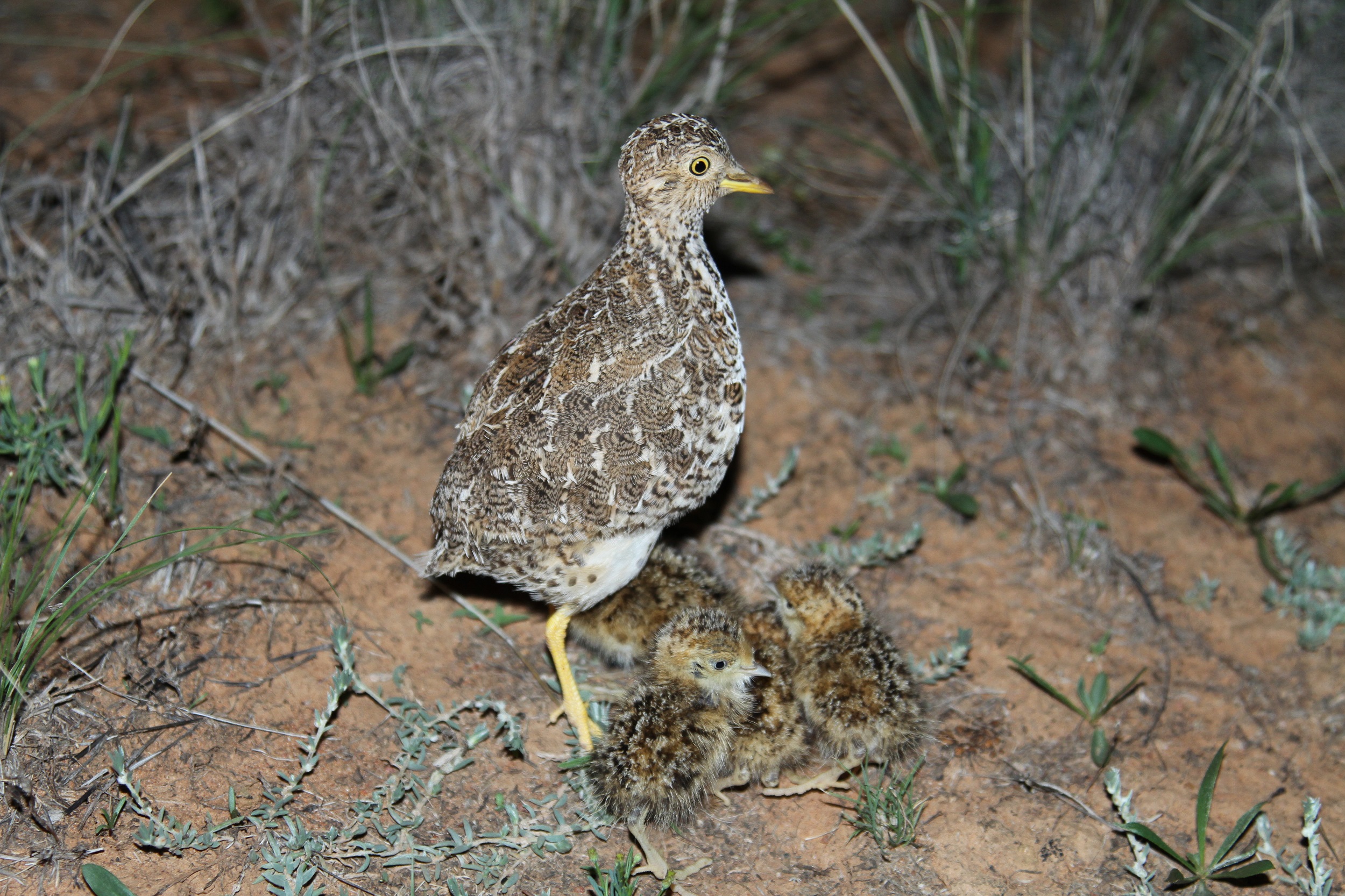
The plains-wanderer has some pretty unique characteristics that flip traditional gender norms upside down. Female plains-wanderers are larger and more brightly coloured than their male counterparts, with a chestnut patch on their breast and a black-and-white collar around the neck.
They also take the lead during courtship. When conditions are right, the females establish their breeding territory by calling out to potential mates nearby. When they meet up, it’s the female who struts her stuff – bowing to her partner as an invitation to courtship, and showing off her black-and-white spotted collar and rusty red plumage to impress the male.
Once she lays her eggs, the male takes over the primary parenting duties, including incubating the eggs and raising the young. After the eggs are hatched, she’ll move on, often in search of a new mate. This mating system allows female plains-wanderers to mate several times in a season, while the males focus on caring for their offspring.
With wild plains-wanderer numbers dipping below 1,000, conservationists have taken a big step to protect one of Australia’s most endangered birds. In a game-changing effort, led by the NSW Government’s Saving our Species program, zoo-bred plains-wanderers were released onto private properties in the Riverina and Oolambeyan National Park. Some of these birds were fitted with tiny, solar-powered satellite backpacks – the first time this tech has been used to track plains-wanderers. This will give researchers invaluable insight into the movements and behaviours of these elusive birds in their natural habitat.
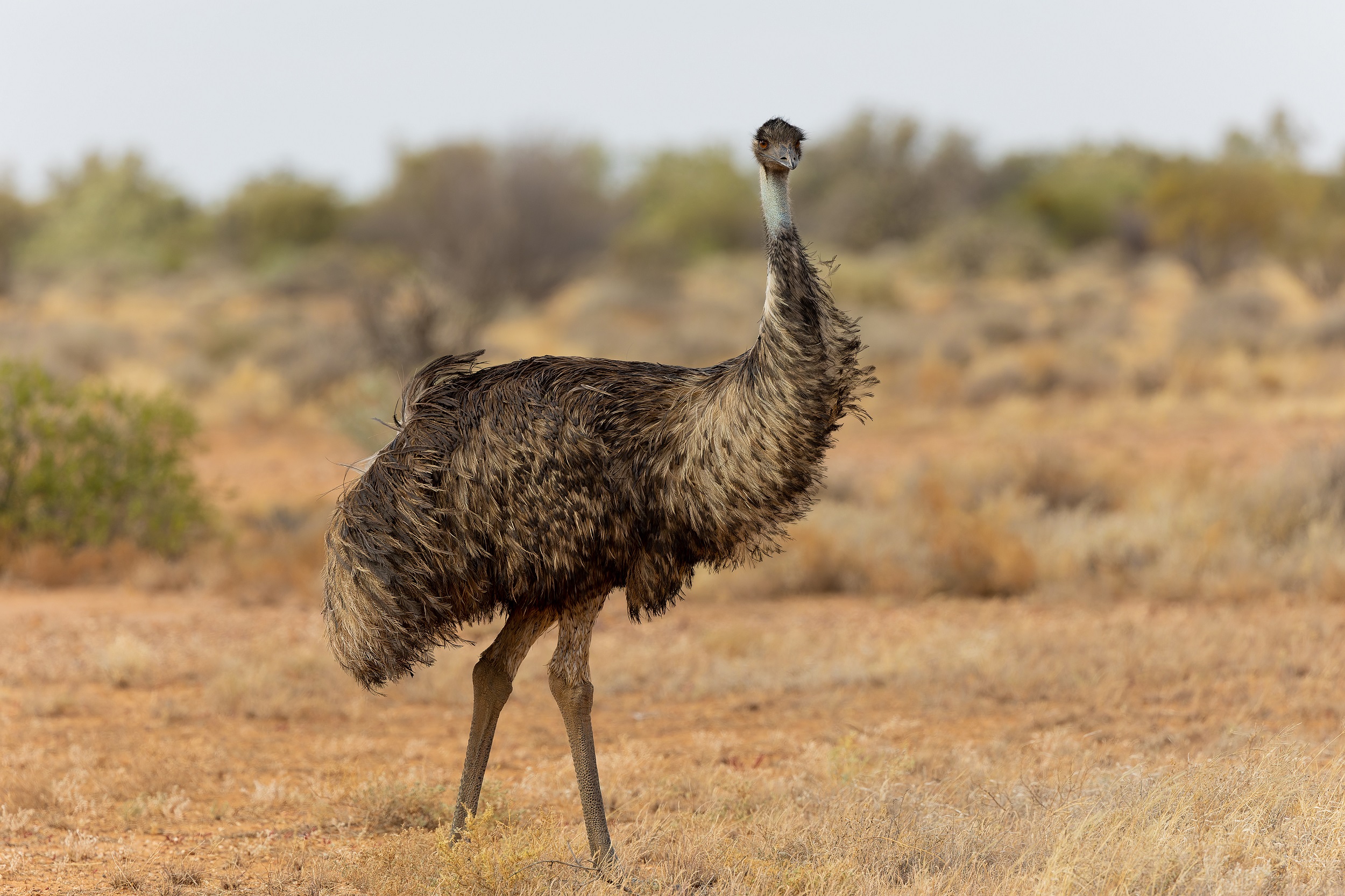
Emus also forgo traditional gender roles. After the female lays her eggs, she leaves the parenting to the male. She’ll either wander off to join a group of non-breeding birds or find another mate to lay another clutch of eggs. The male is left to incubate the eggs for eight to 10 weeks, rarely leaving the nest and losing quite a bit of weight in the process. Now that’s commitment! Once the chicks hatch, dad sticks with them for up to two years, raising them on his own.
The coastal emu, a genetically isolated population in NSW, is officially endangered and holds deep cultural significance for the Yaegl, Gumbaynggirr, and Bundjalung First Nations peoples. Once roaming widely across the state’s northeast, fewer than 50 of these rare emus remain in this population. They’re now only found in small pockets between Evans Head, Red Rock, and Bungawalbin, making conservation efforts critical to their survival.
So, next time you’re exploring one of our stunning NSW national parks, keep an eye (and ear) out for these masters of love. Whether you’re inspired by their dedication or just in awe of their epic courtship rituals, Australia’s birds are couple goals.
And remember, if you spot any of these iconic lovebirds, especially endangered species like the plains-wanderer or coastal emu, your sightings could help support important conservation efforts. Keep your eyes peeled, your distance respectful, and who knows – you might just witness some of Australia’s best love stories.