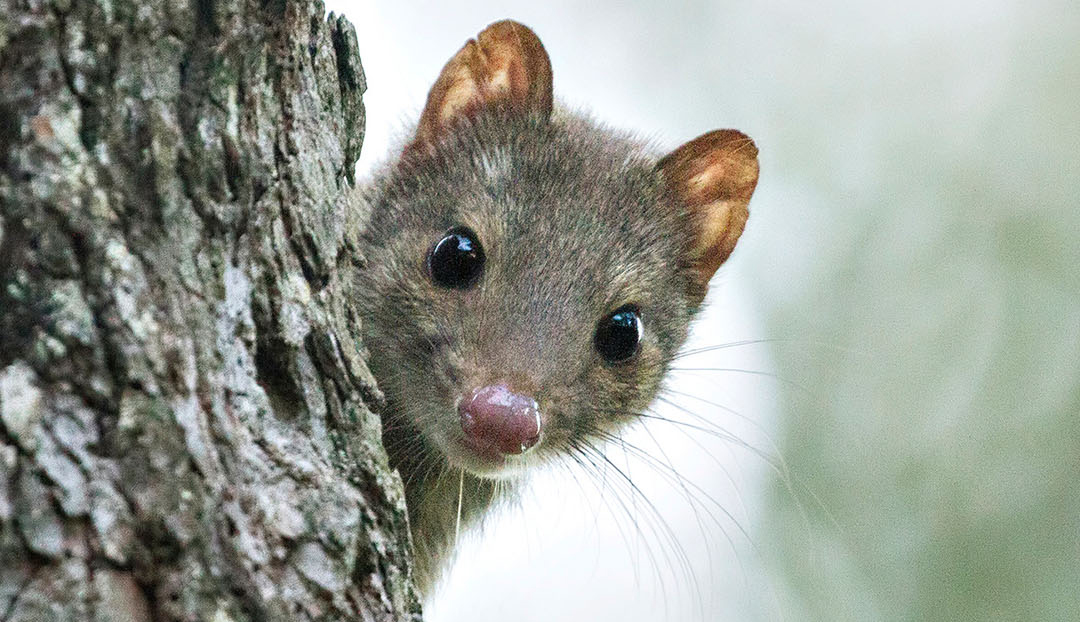
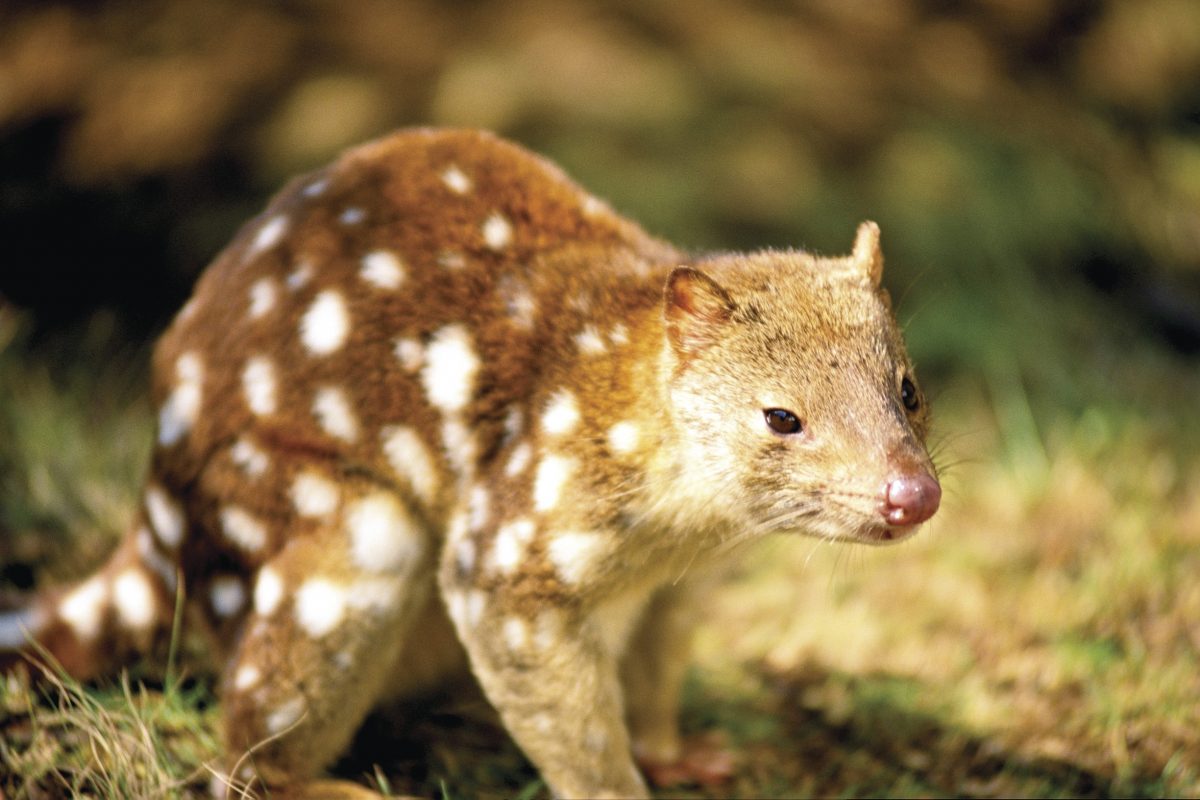
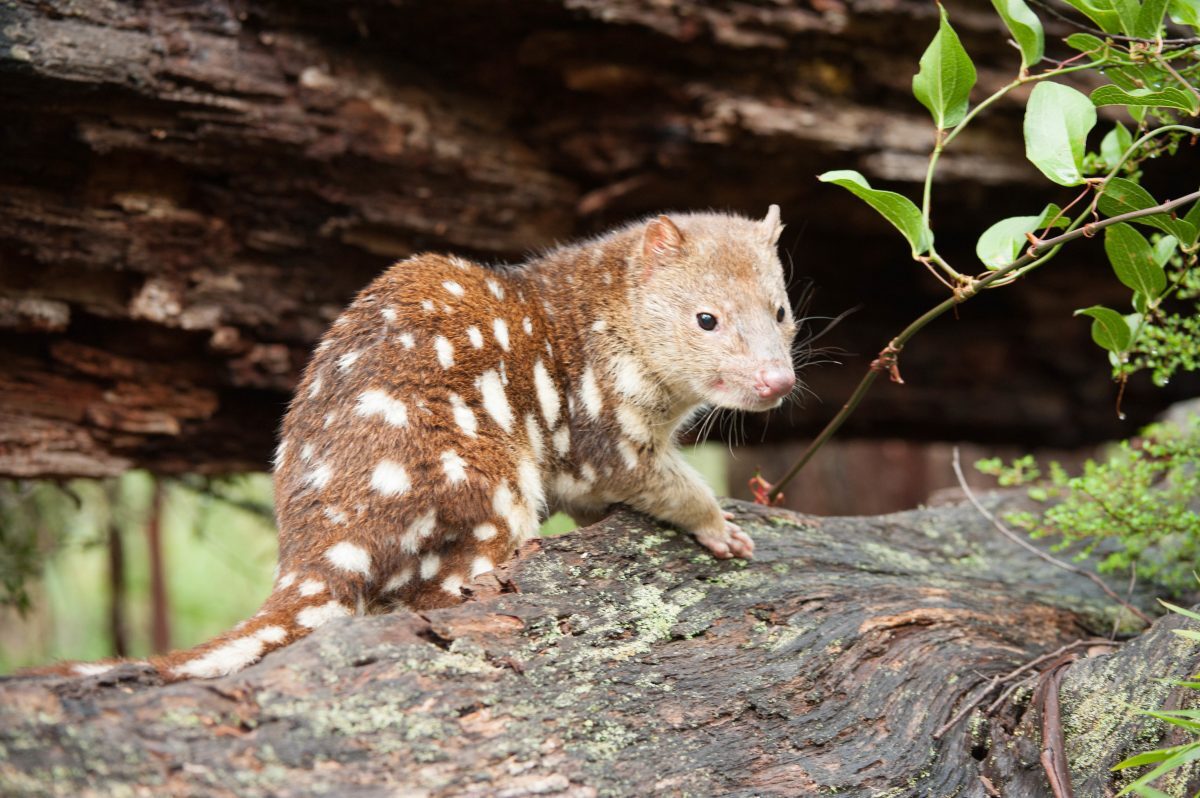
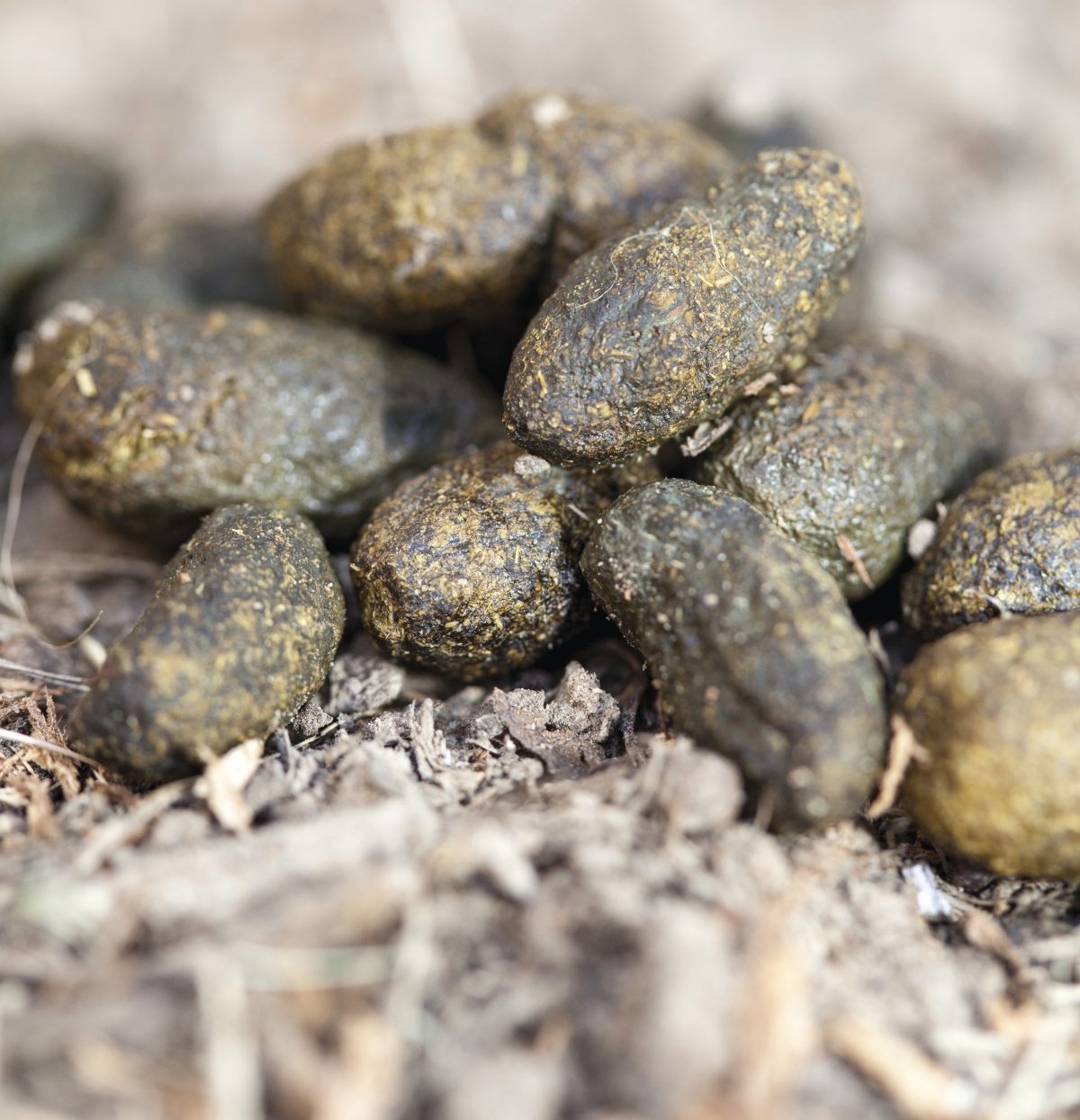
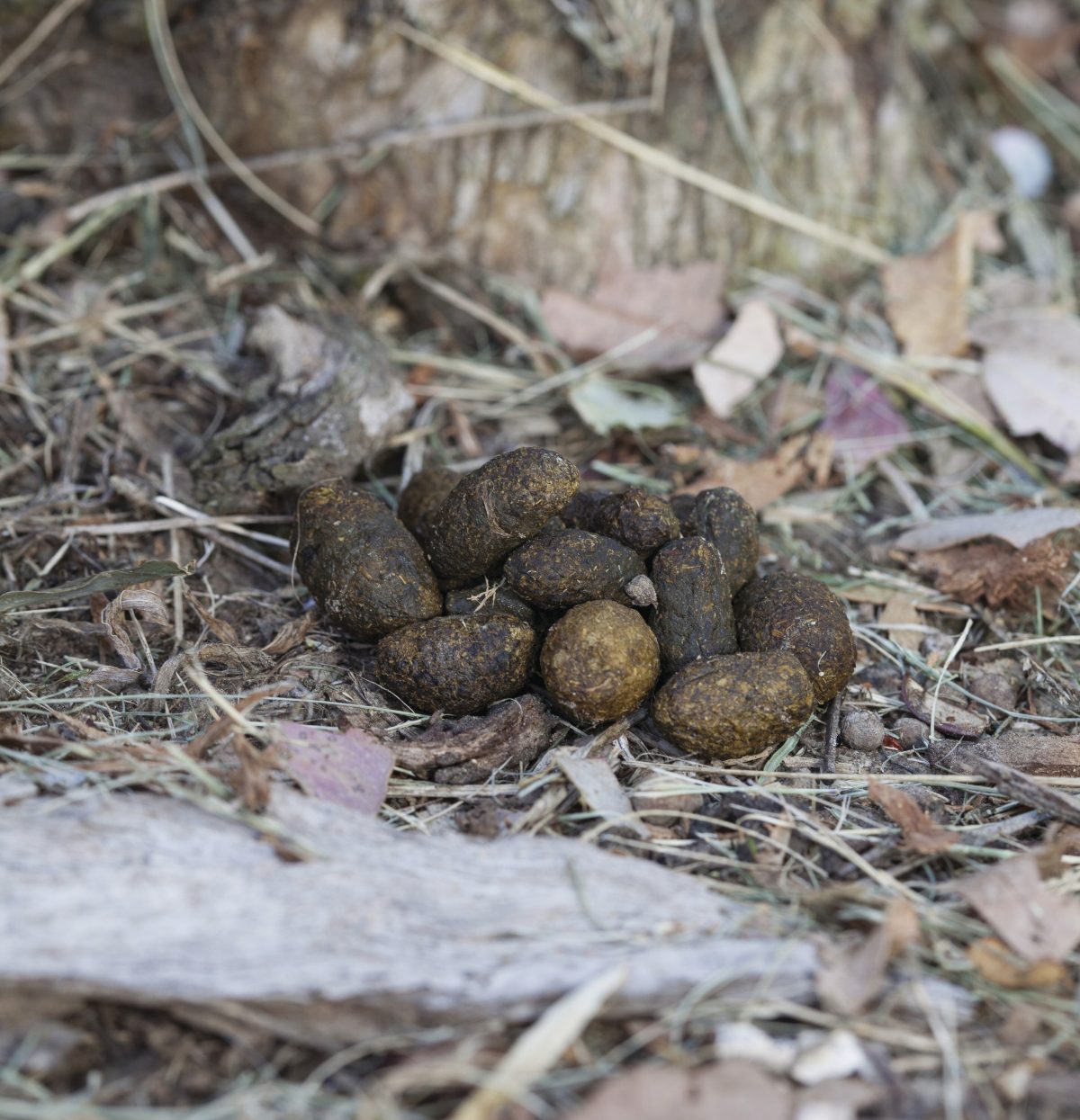
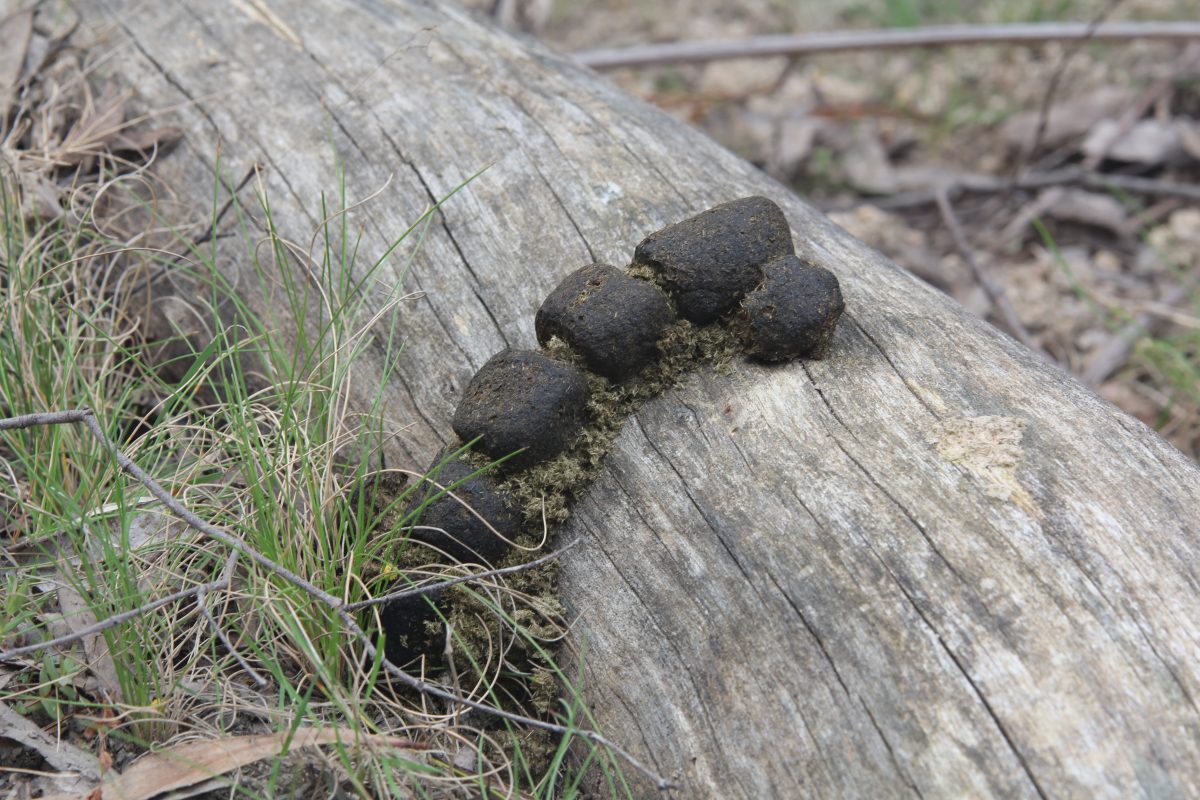
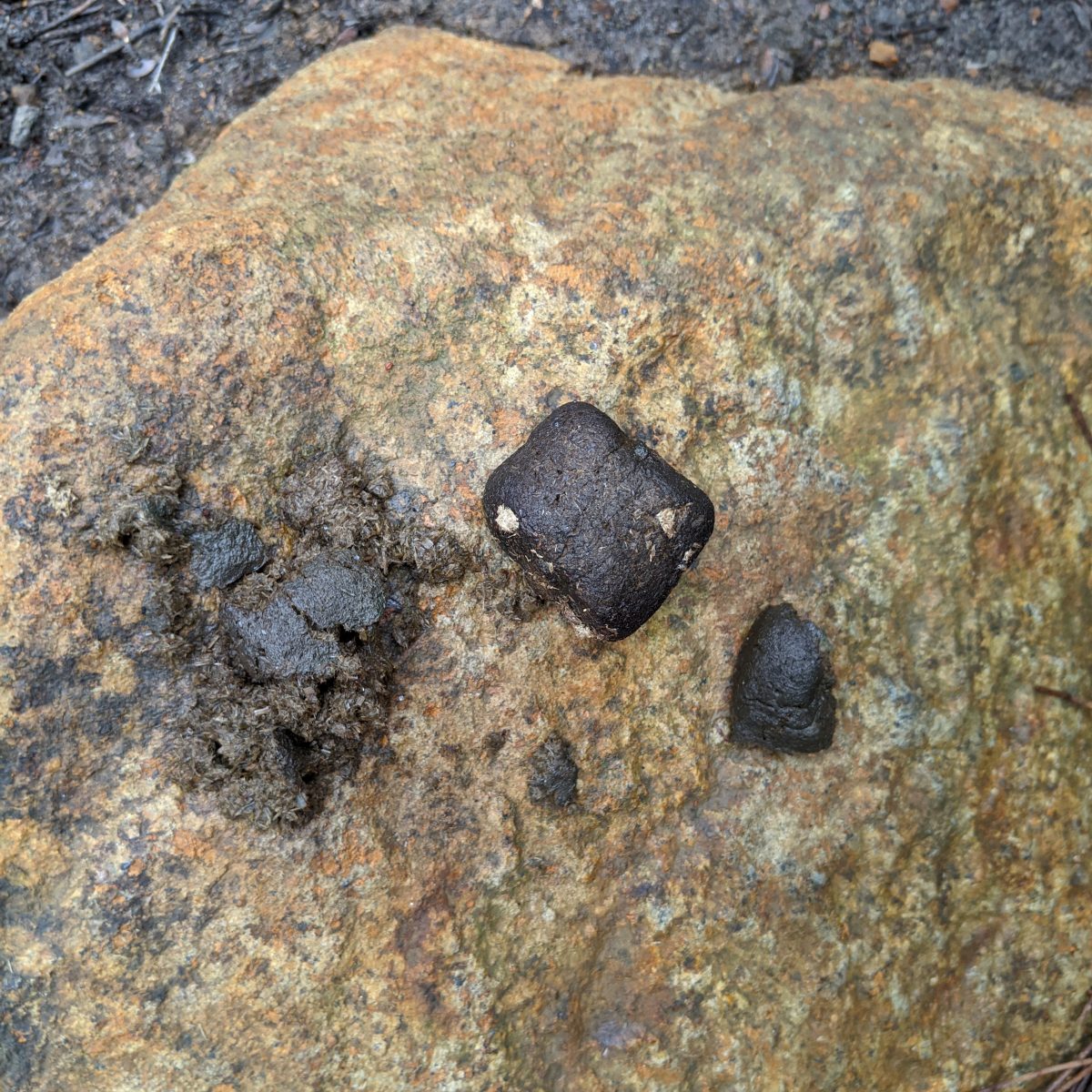
These carnivorous marsupials – which are closely related to none other than the infamous Tassie devil – can be identified by their droppings, which often contain the fur and feathers of the prey they feast on.
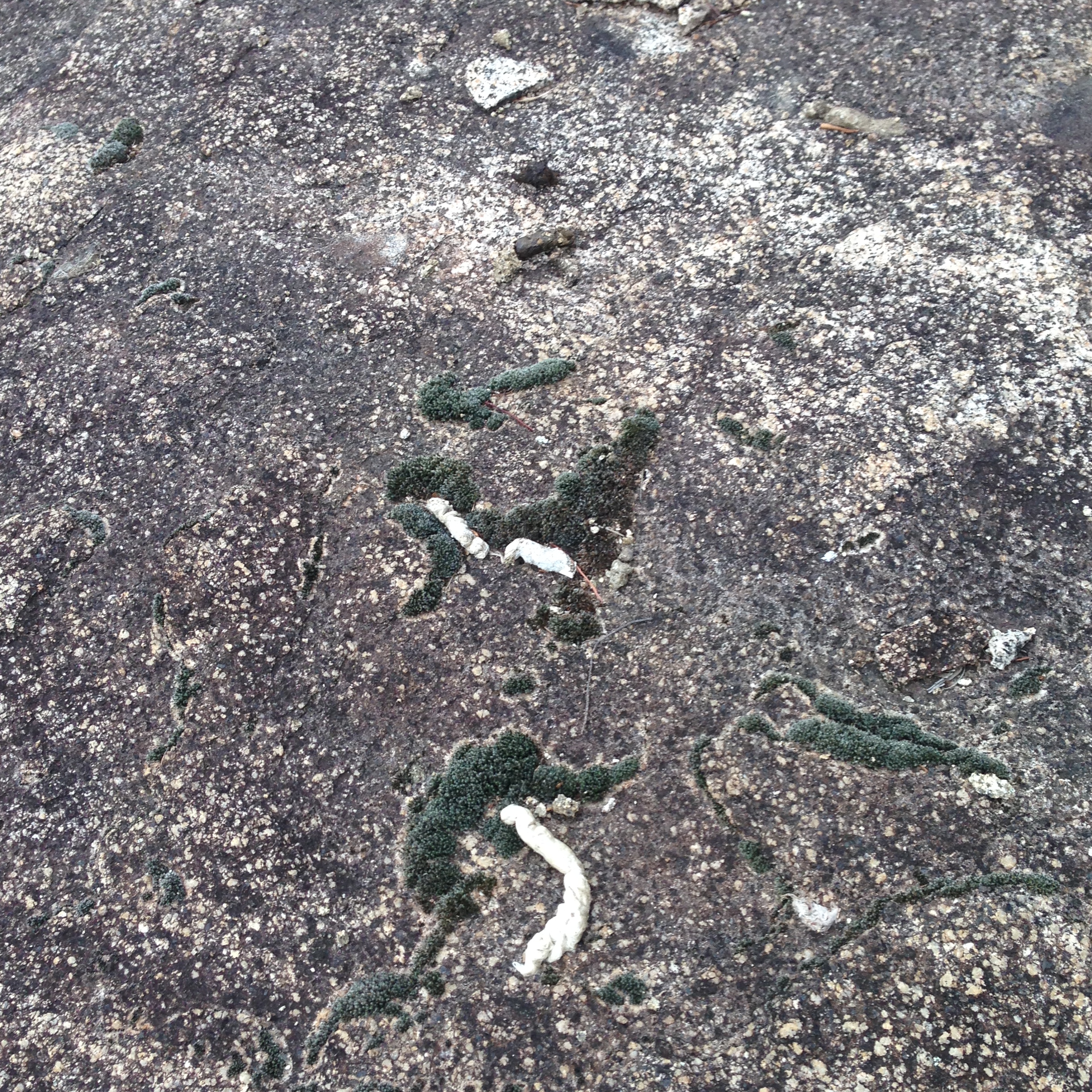
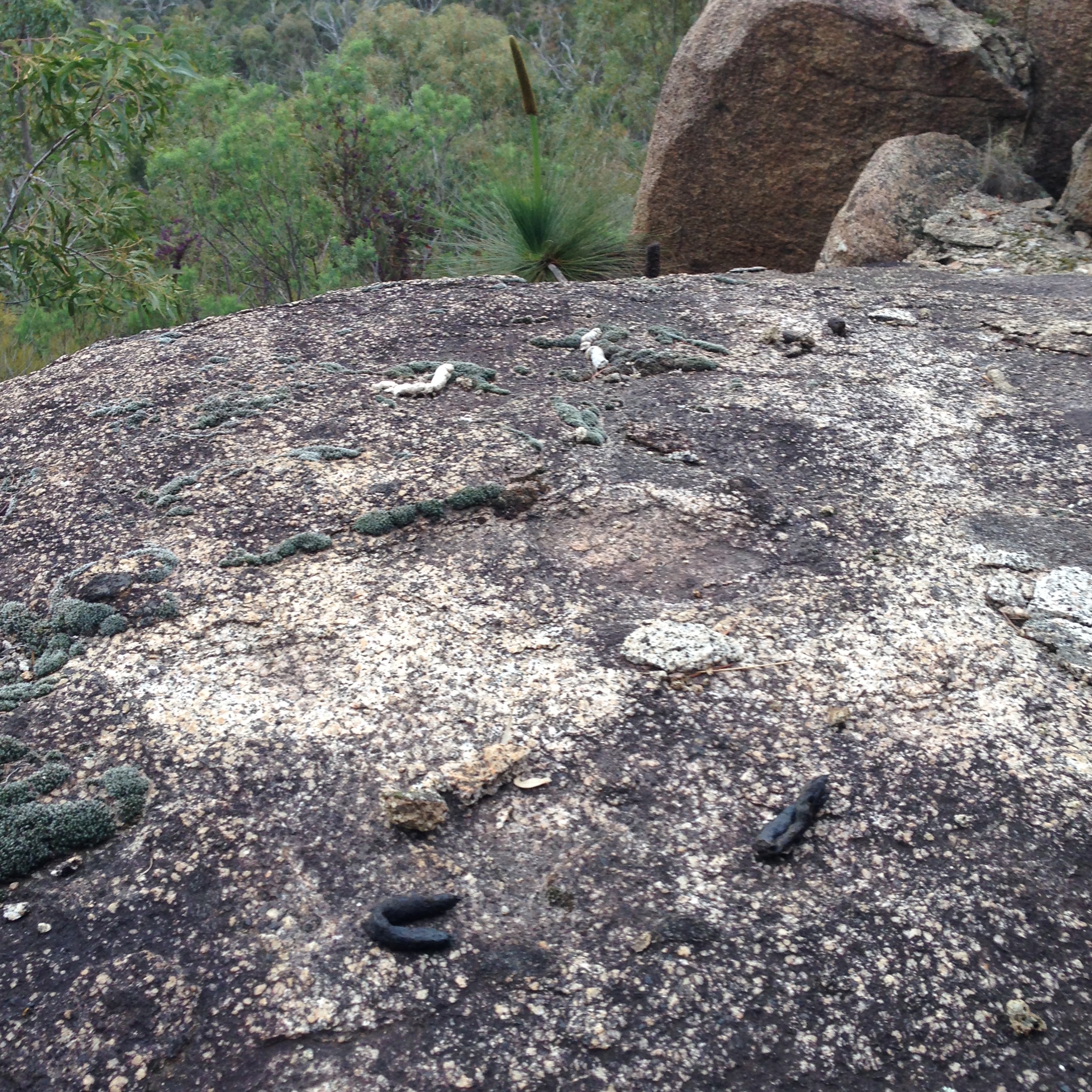
The threatened spotted-tailed quoll is known for producing twisty-shaped faeces at communal ‘latrine sites’ – which are essentially the quoll’s version of a public toilet block.
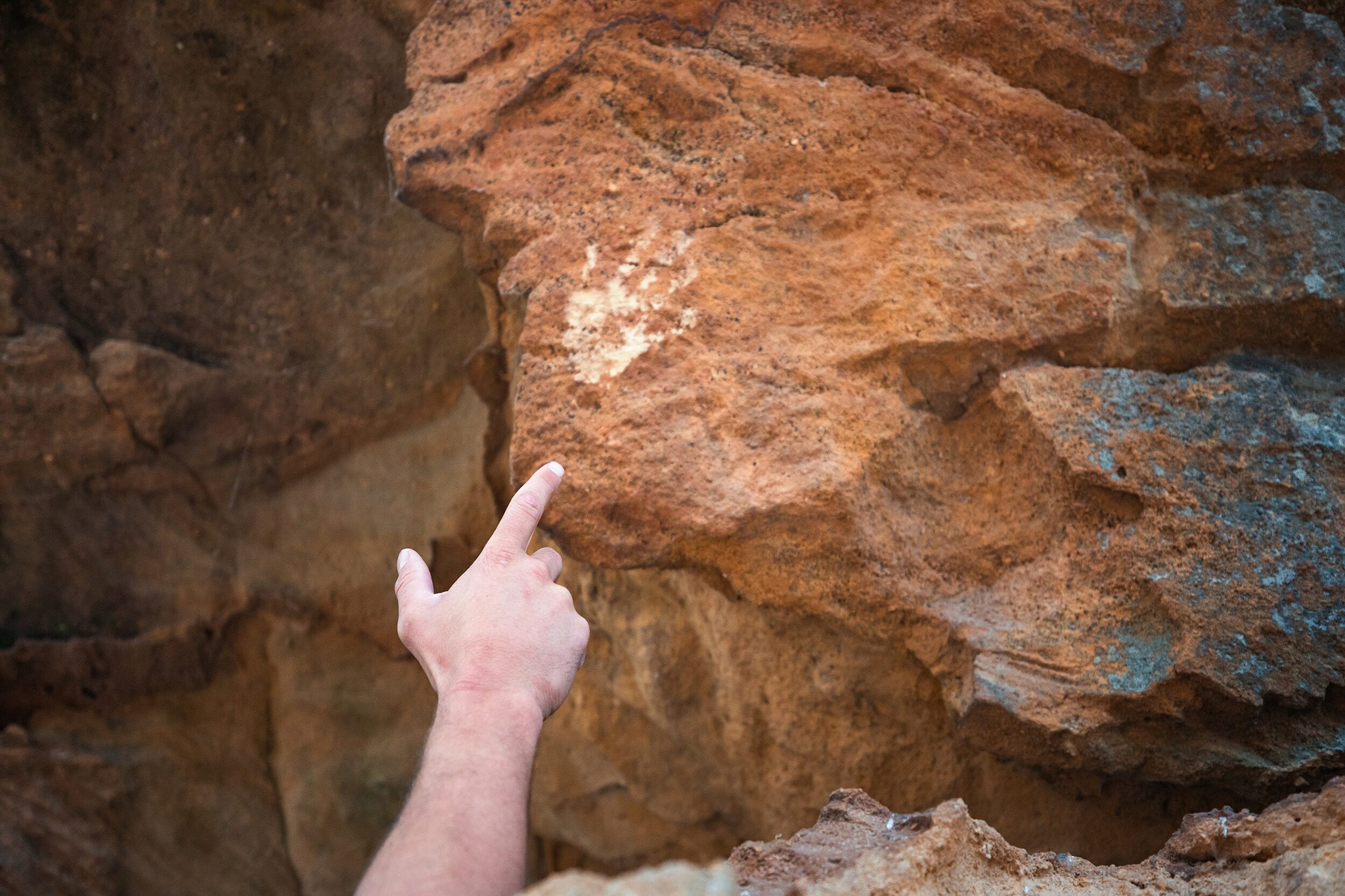
Researchers have found that quolls, which are usually solitary animals, visit these large outdoor latrines and leave poos to communicate with other quolls. These sites are often located in exposed areas, like rock outcrops or along rock creek lines.
Did you know? Quolls appear to increase their use of latrines during the breeding season – a way of indicating to potential mates via the local message service that they are present and ready to get busy.
The spotted-tailed quoll is listed as vulnerable in NSW, facing loss and fragmentation of habitat, competition with foxes and feral cats, roadkill and persecution by people, who often blame quolls for harming their poultry.
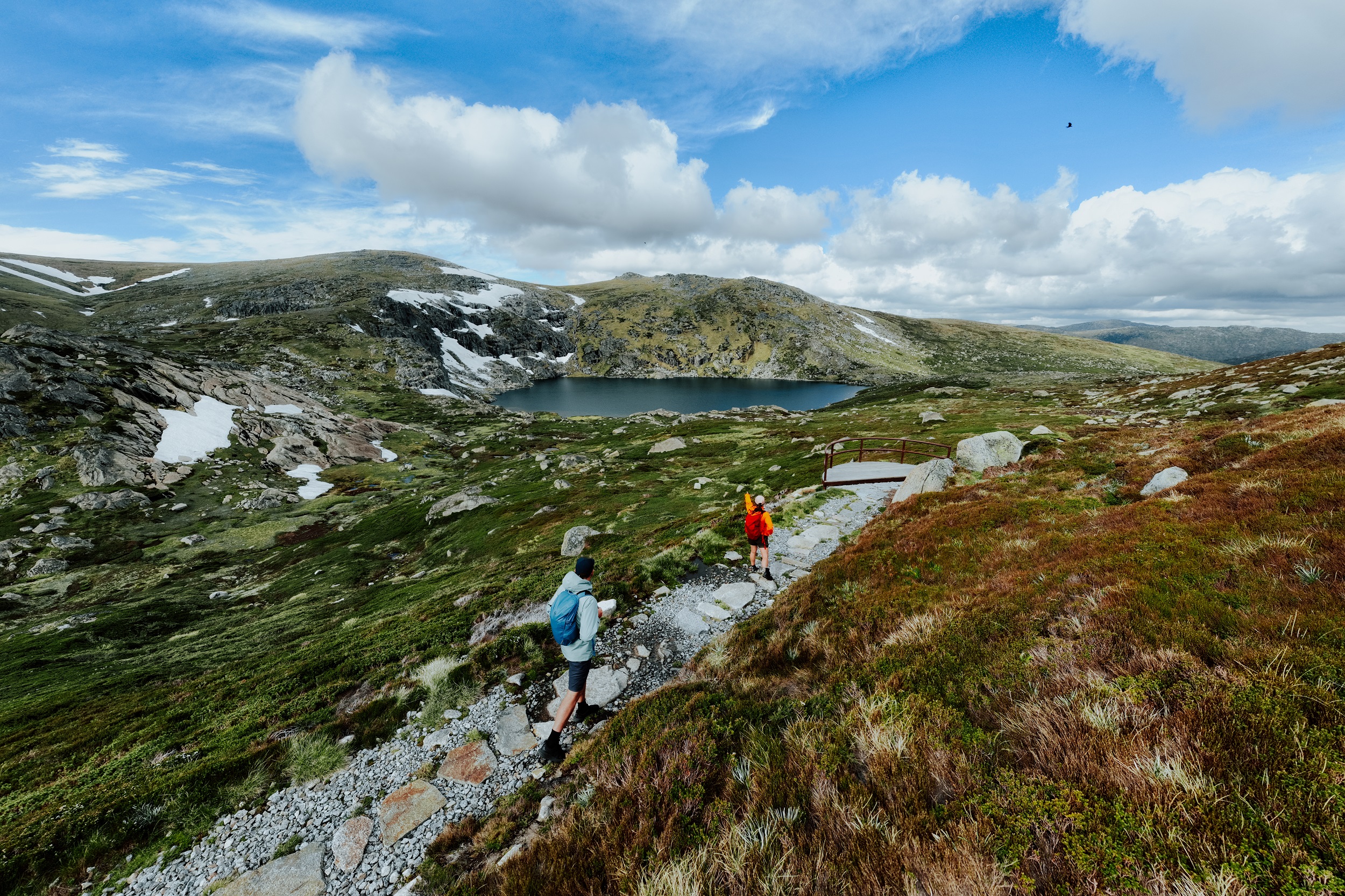
The team at Saving our Species is working hard, alongside NSW National Parks rangers, to secure a future for these unique native animals. Our threatened species experts are working at four large-scale sites across NSW to understand the status and trends of populations and reduce threats. These include parts of Kosciuszko National Park in the south, Barren Grounds Nature Reserve on the eastern edge of the Southern Highlands, Jenolan Caves in Kanangra Boyd National Park and sites along the eastern edge of the Northern Tablelands.