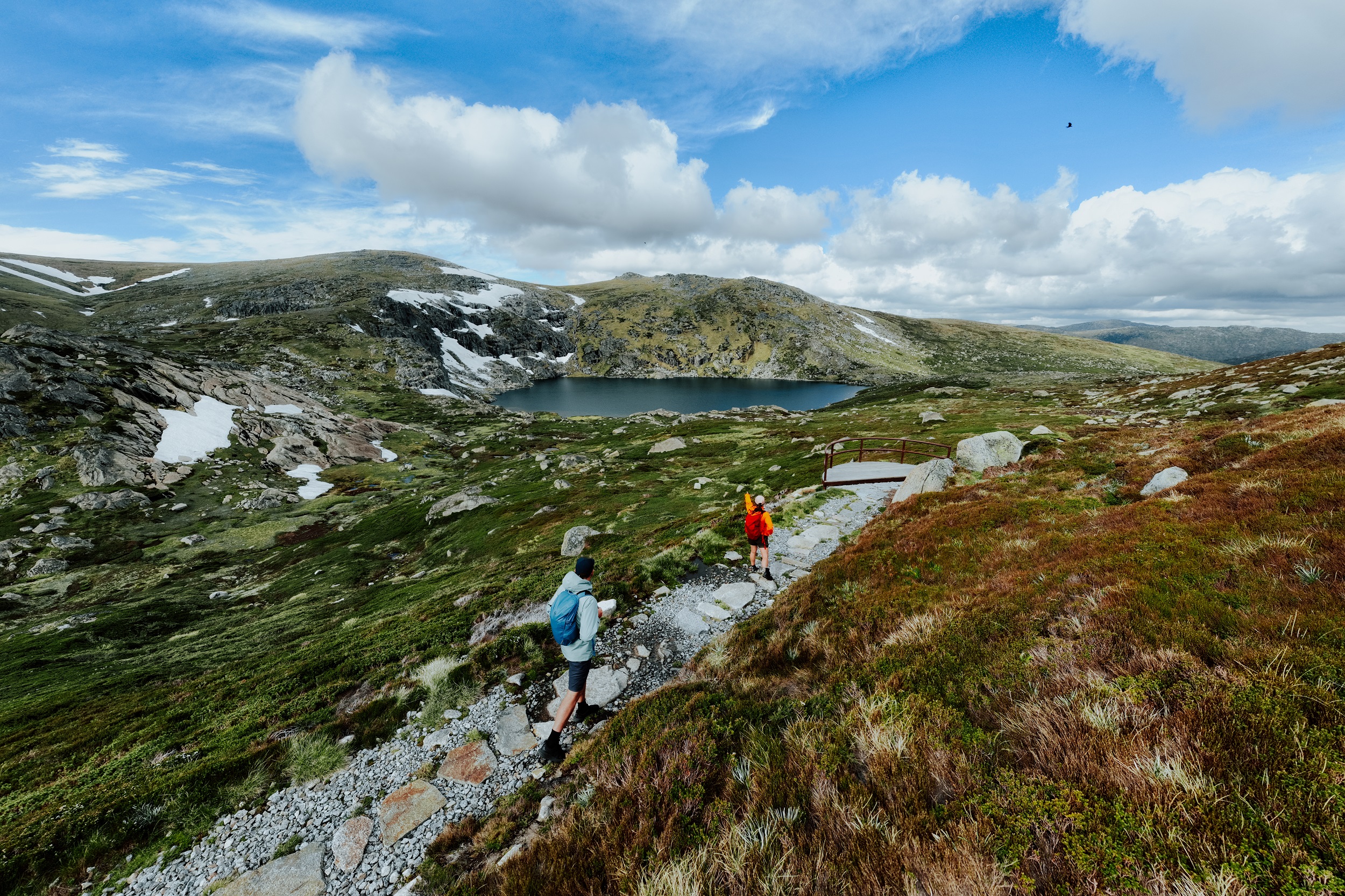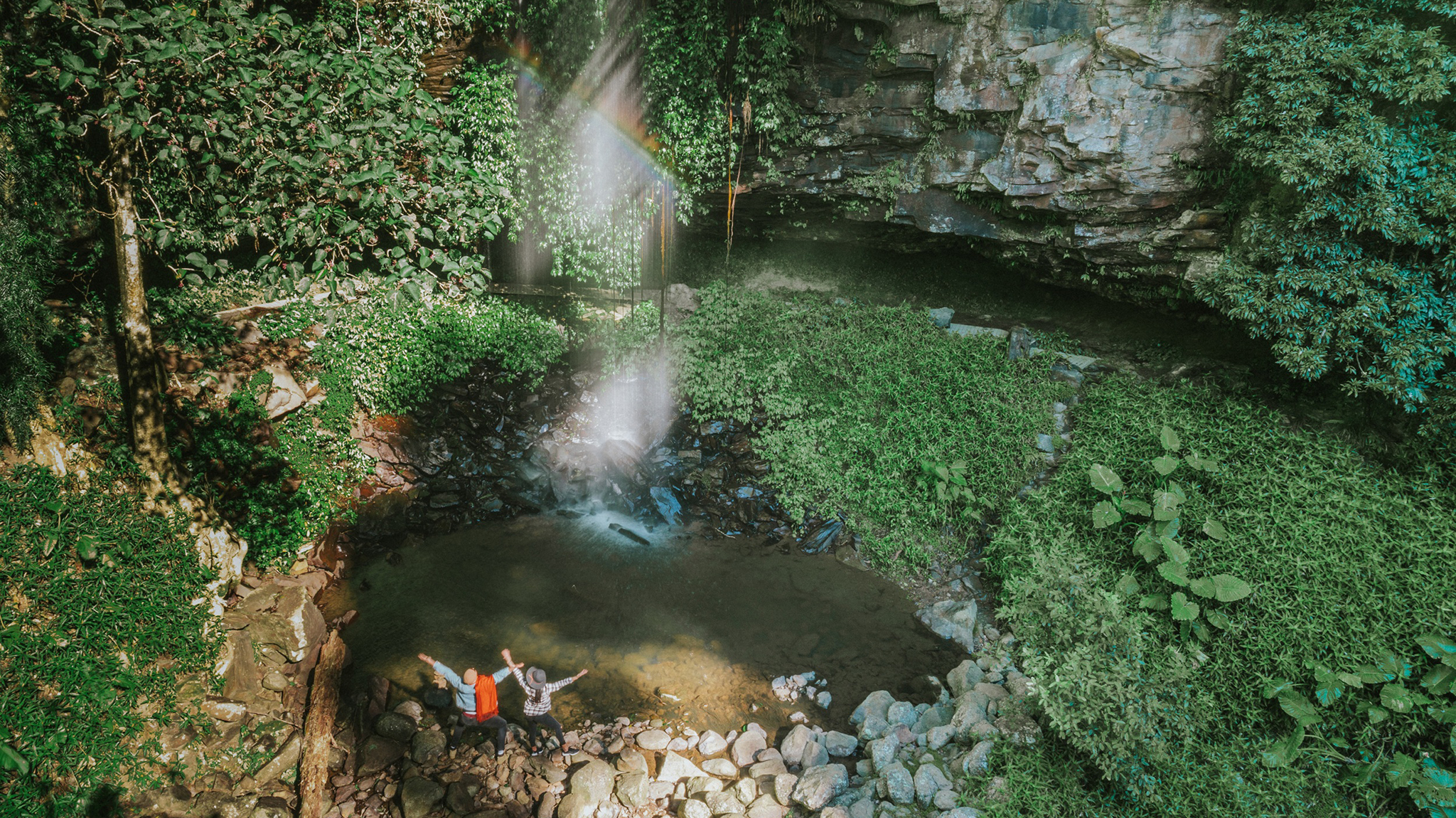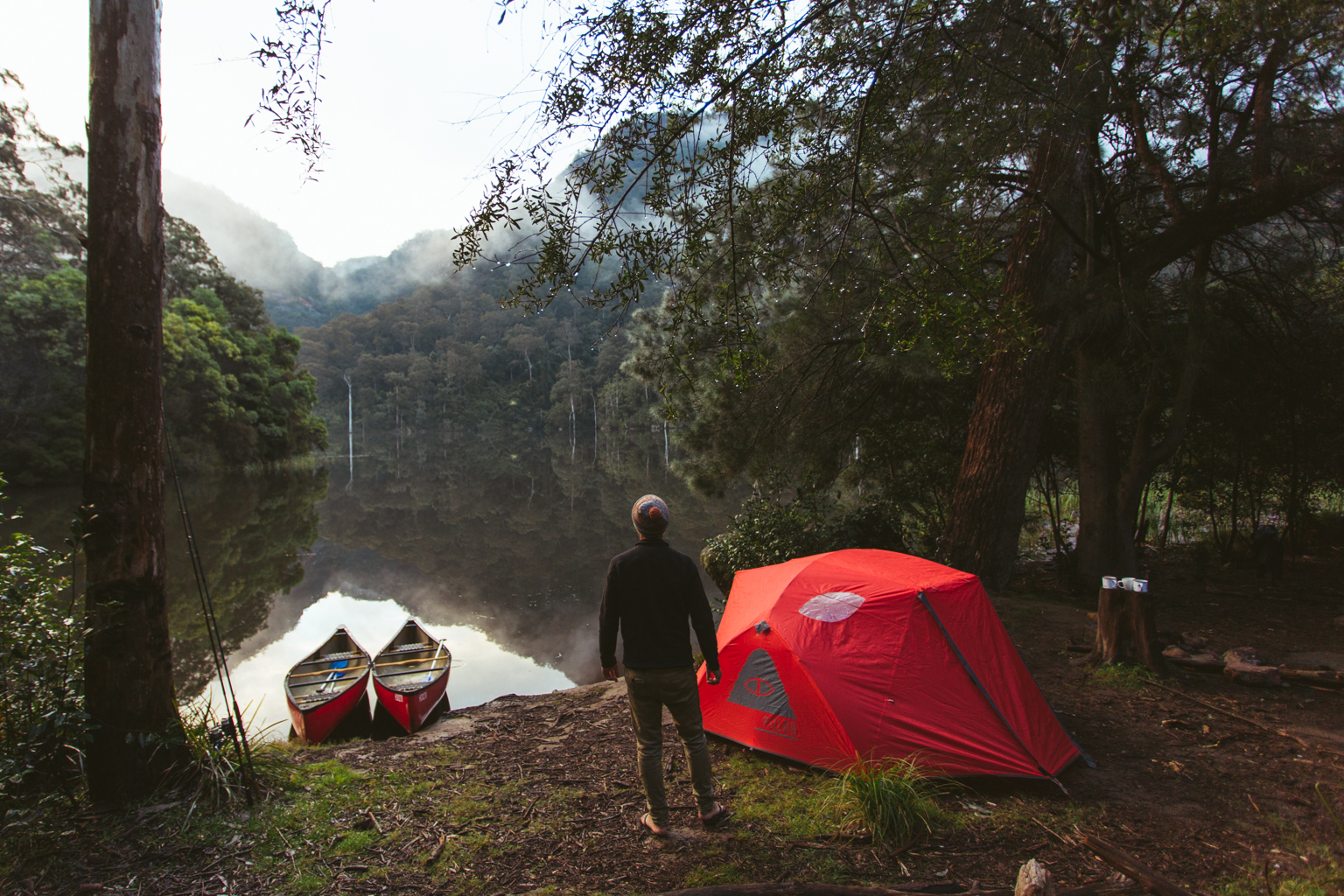
Person camping by the water, Morton National Park. Photo: Tim Clark
Morton National Park: a riverside campground just south of Tallowa Dam Photo: © Tim Clark

How to camp like a boss

to read
Last updated: 1 May 2026

Arm yourself with these hard-earned camping hacks and you’ll be the envy of your fellow campers

I often bump into eager wilderness seekers holding a pole in one hand and a peg in the other, looking more confused than a wallaby on astroturf. Camping, for many, can be wrought with frustration, mishaps and teeth-gritting thoughts of ‘woulda, coulda, shoulda’.

For some though, it seems to come as naturally as hopping does for kangaroos. How is this possible? Do these people carry a mutant camper gene? Are they descendants of MacGyver, the secret agent in the iconic 80s TV show?

Of course the answer is no. Camping is a game of trial and error, and every time you experiment, you’ll learn and improve. It’s as simple as that.

These 10 camping hacks will have you camping like a #boss.
Don’t get lost - can you read a map?

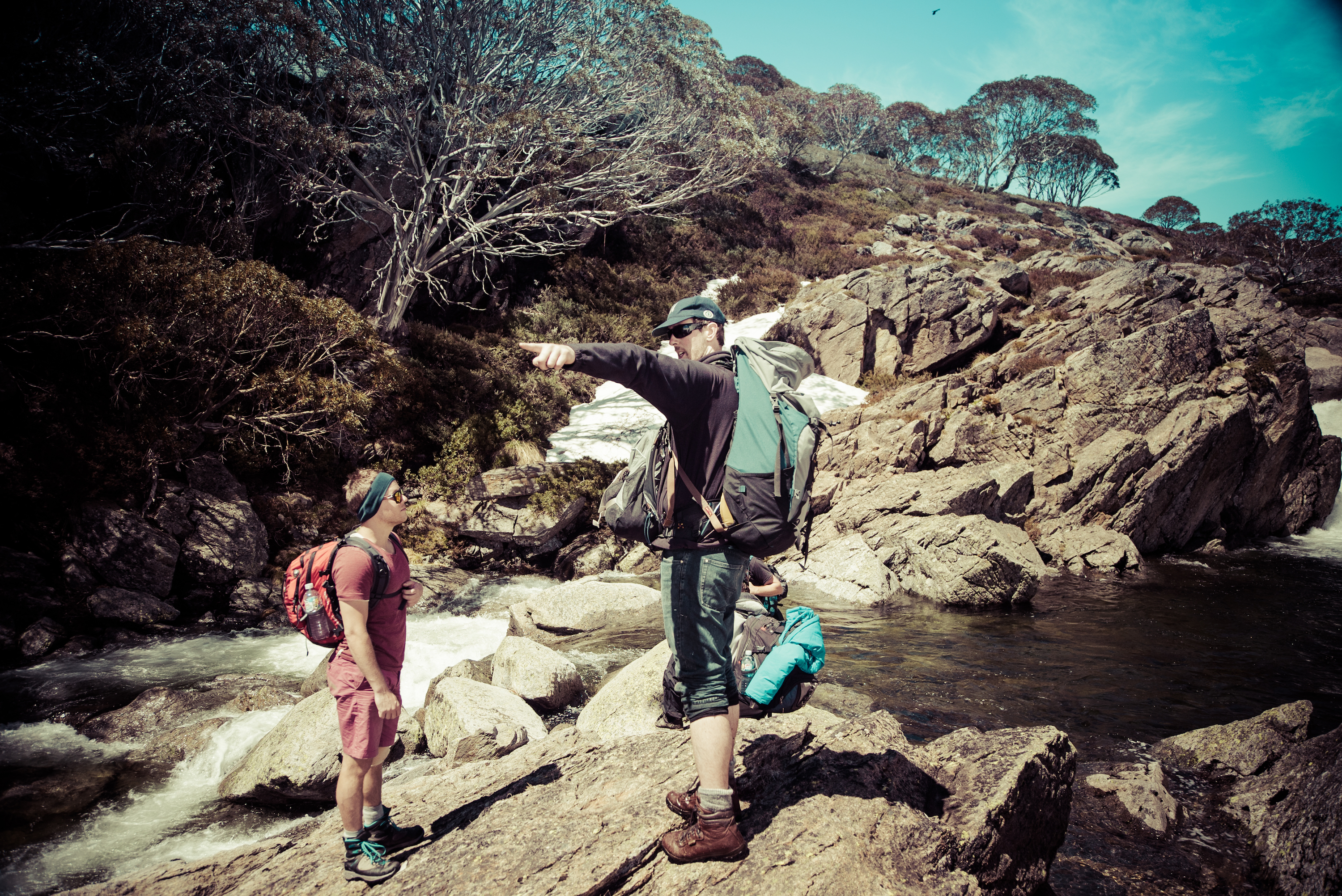
Get back to life before Google Maps. Photo: Daniel Parsons/DCCEEW © Daniel Parsons
Hikers discussing directions, Kosciuszko National Park. Photo: Daniel Parsons/DPIE

Know where you’re going and how to get there. Being able to read a map, use a compass, translate a GPS and let others know your trip plans back at home are all vital ingredients that can make or break your adventure.

Pro tip: Don’t forget to keep your maps dry or they disintegrate, try laminating them or use a map holder.

Firestarting shortcut - watch out for fire bans

Photo: Daniel Tran/DCCEEW © Daniel Tran
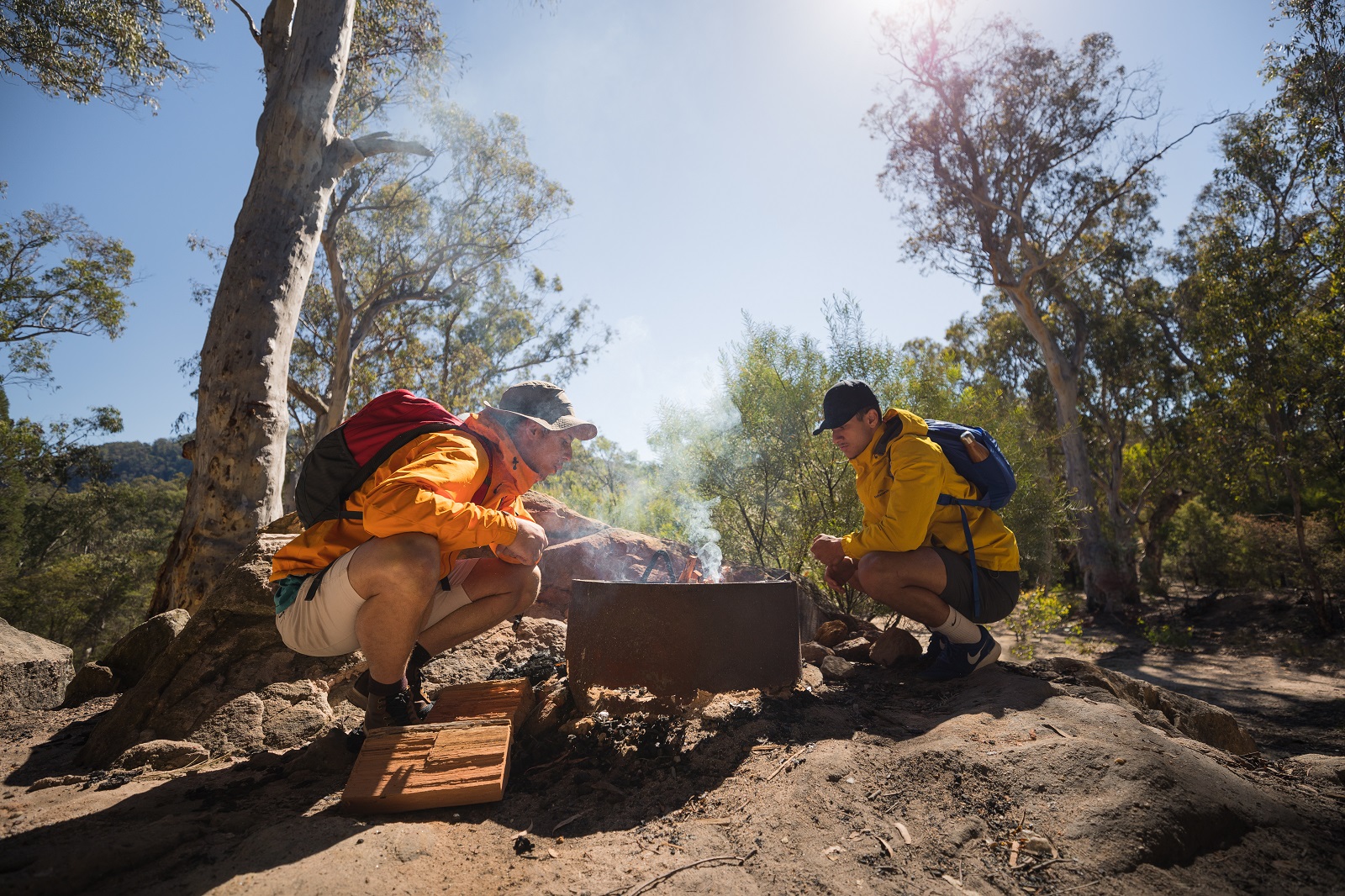
Two people around a campfire in Wollemi National Park. Photo credit: Daniel Tran/DPIE

If a fire ban isn’t in place (check NSW National Park fire bans here), there’s nothing more soul-warming than a campfire after a long day on the trail. Many, but not all, campgrounds provide designated fire and cooking areas but starting one can sometimes be a chore, especially in soggy conditions.

Pro tip: Save yourself some frustration and don’t forget to pack a few firelighters - you’ll get your fire crackling far quicker! A reminder: collecting firewood is a no-no, you'll need to BYO firewood as not all campgrounds have a supply of firewood. Even better, bring a portable campstove, so nothing gets in between you, a hot meal and a cuppa.

Bug off - don’t let mosquitoes drive you mad

Mosquitos are such a buzz kill. Photo: © Henry Brydon
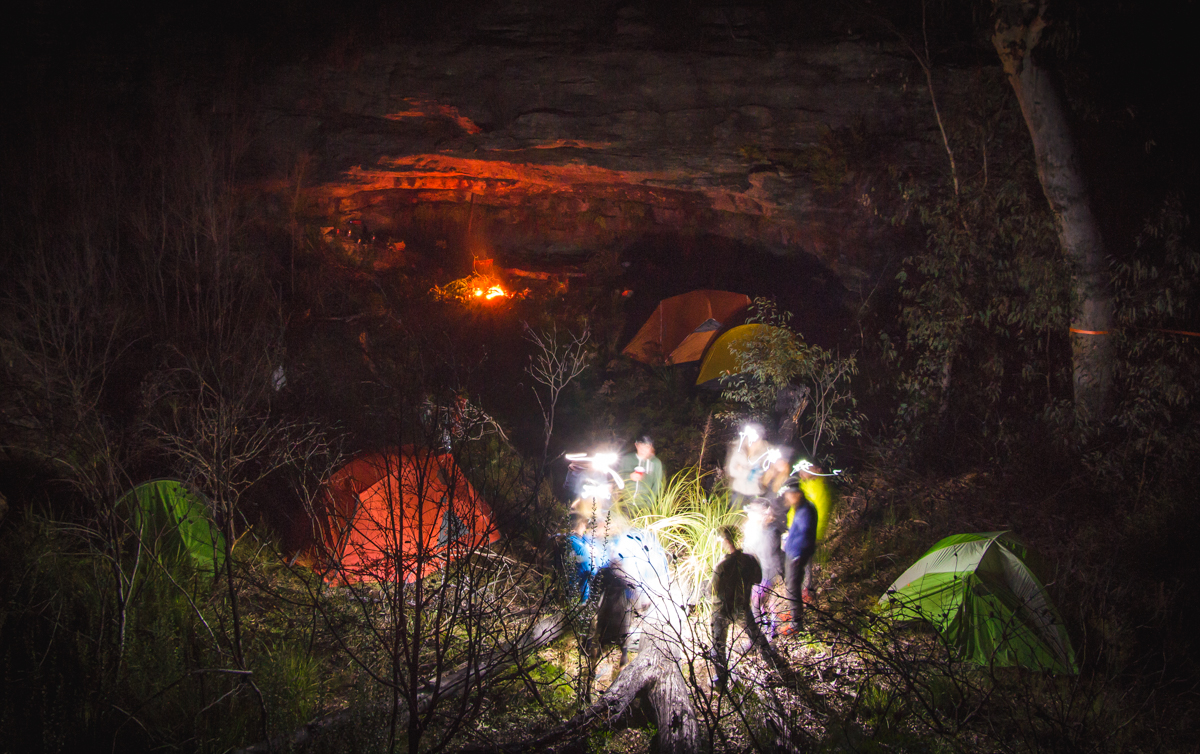
Group of people at a campground in the night. Photo: Henry Brydon

Snakes and spiders strike bone-rattling fear in many would-be campers, yet it’s actually quite rare to bump into one. Mosquitoes, on the other hand, have a habit of bugging you to near madness, and you’ll bump into many of them in the summer months.

Pro tip: Go natural, lots of natural insect repellents are now available in most stores. Natural insect repellents have ingredients such as citronella, lemon eucalyptus, cedarwood and patchouli that are not only pleasant in scent, but effective at warding off mozzies.

Minimise your weight - quality over quantity

Don’t be that guy. Photo: Daniel Parsons/DCCEEW © Daniel Parsons
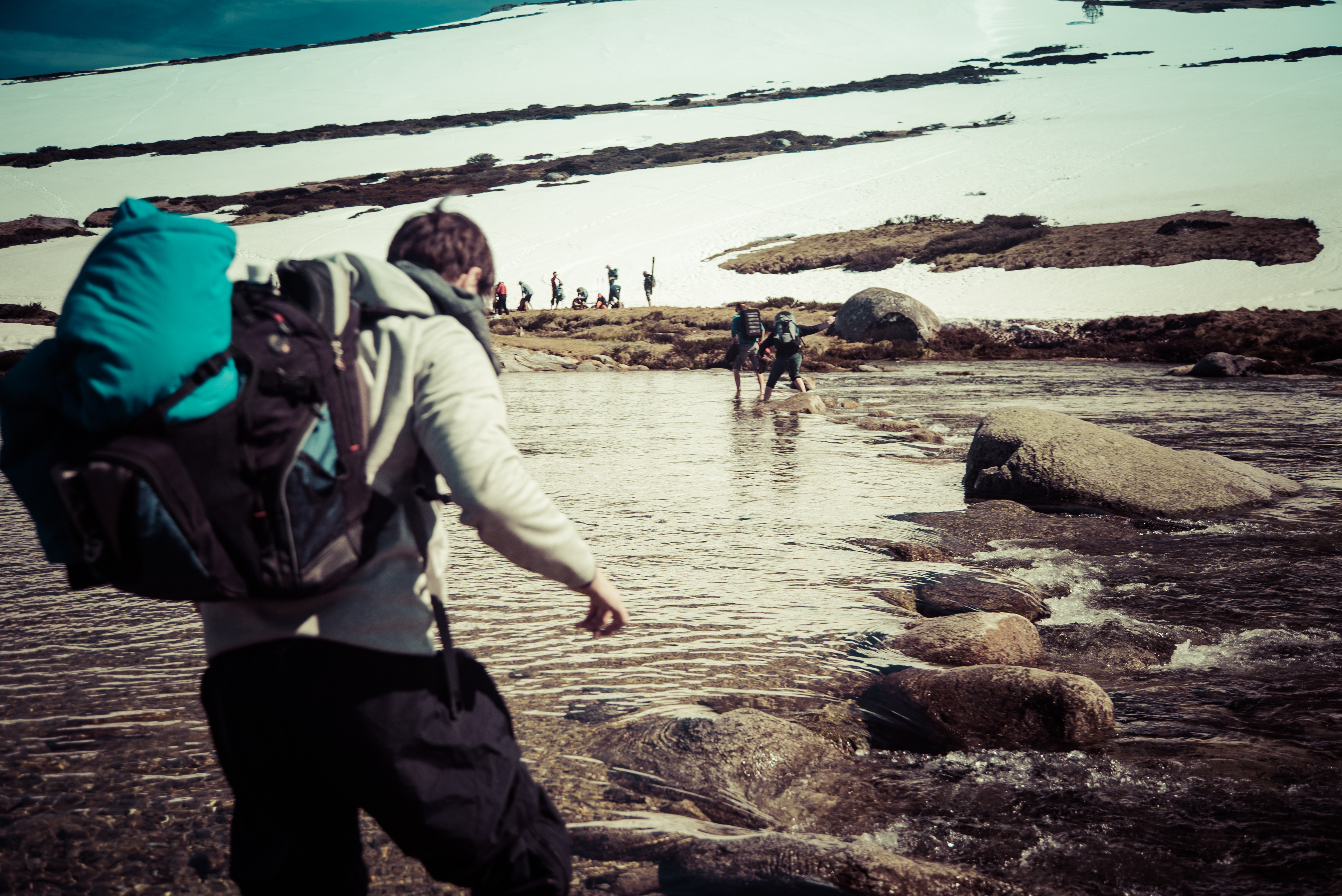
Group of hikers, Kosciuszko National Park. Photo: Daniel Parsons/DPIE

Buying cheap sleeping bags and roll mats may seem a money-saving manoeuvre at first, but you’ll probably find yourself slugging up the trail with an oversized, overweight backpack. If there is one thing you should spend half-decent money on, it’s your sleeping gear. Ditch the long camping list and focus on lightweight, quality essentials. Trust us, when you’re galloping up the trail you won’t regret it.

Duct tape - a camping lifesaver

How to fix anything. Photo: Daniel Parsons/DCCEEW © Daniel Parsons
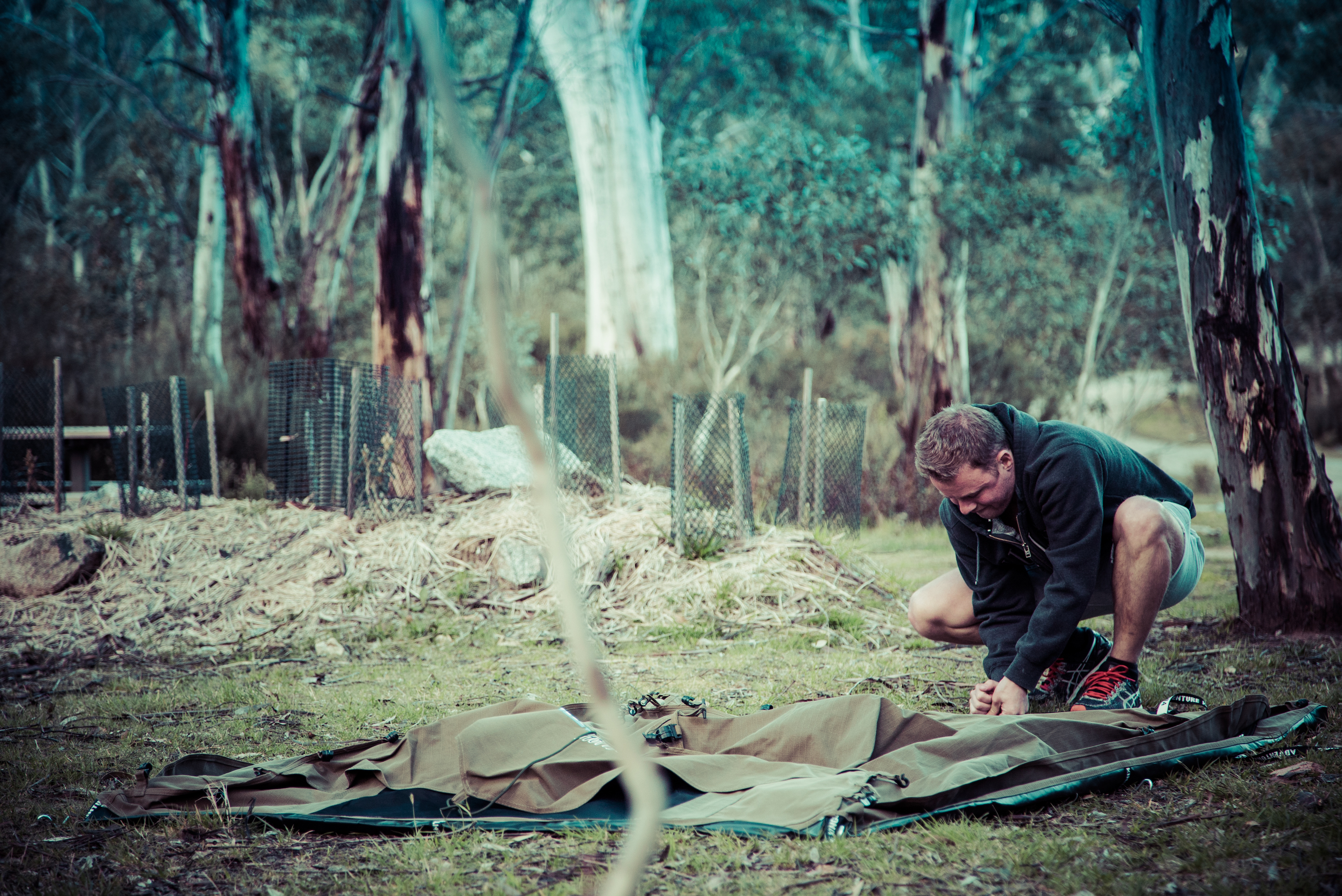
Person setting up a tent, Kosciuszko National Park. Photo: Daniel Parsons/DPIE

Duct tape is like the force. It has a light side, a dark side and it holds the universe together. From fixing a broken tent pole to waterproofing your hiking boots, the life-saving uses are quite remarkable. Carrying a full roll is unnecessary so instead wrap a length of it around a pencil to save weight.

Beanie-man

Hats off. Photo: Daniel Parsons/DCCEEW © Daniel Parsons
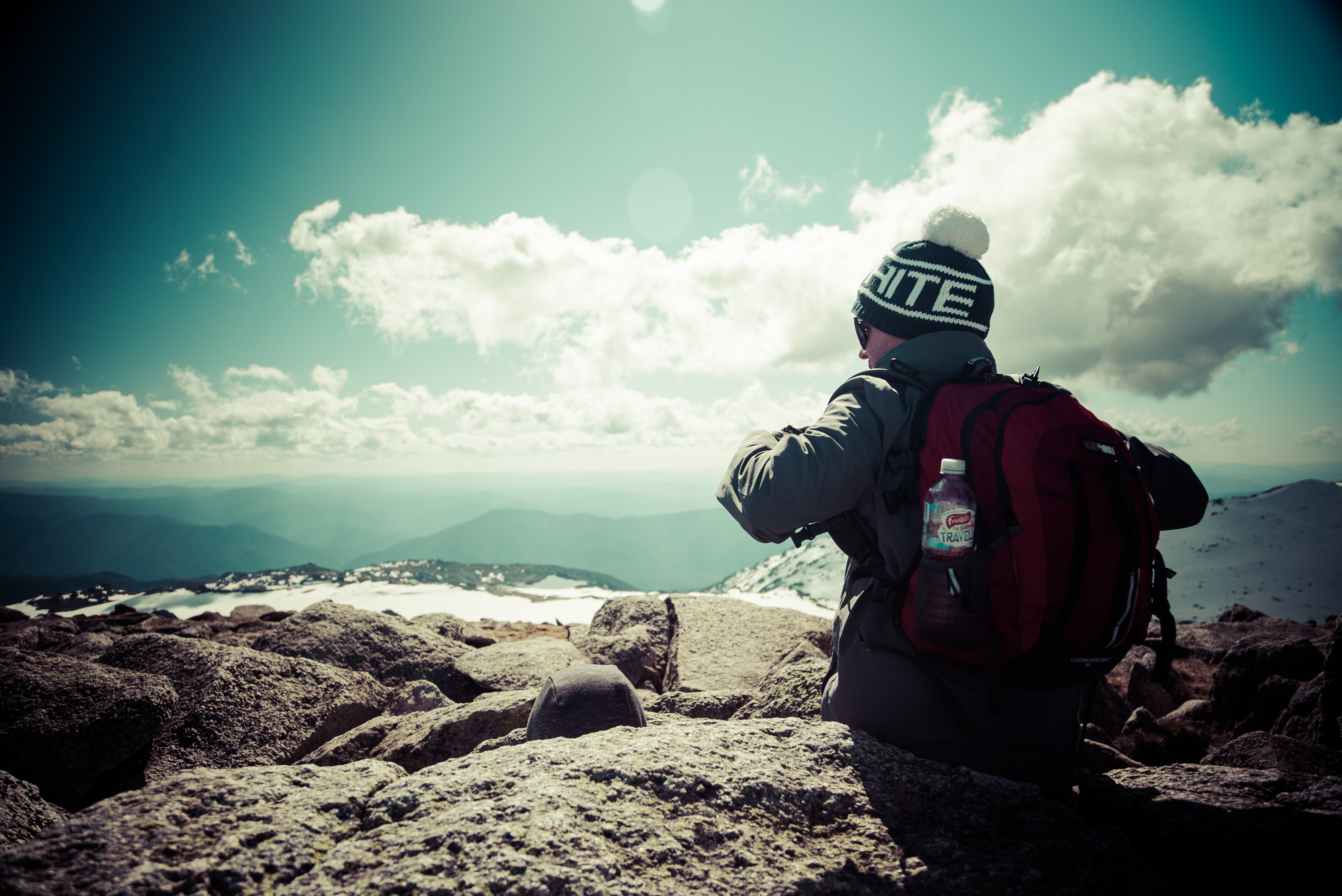
Person admiring view of Snowy Mountains, Kosciuszko National Park. Photo: Daniel Parsons/DPIE

Even if you’re positively sweating while you’re packing at home, trust us and throw in your beanie. It packs really small and you’ll probably regret it otherwise. While you’re at it, don’t forget your hat and sunscreen - a sunsmart camper’s a happy camper.

Ziploc bags - the ultimate weight saver

Photo: © Kamaji Ogino via Pexels
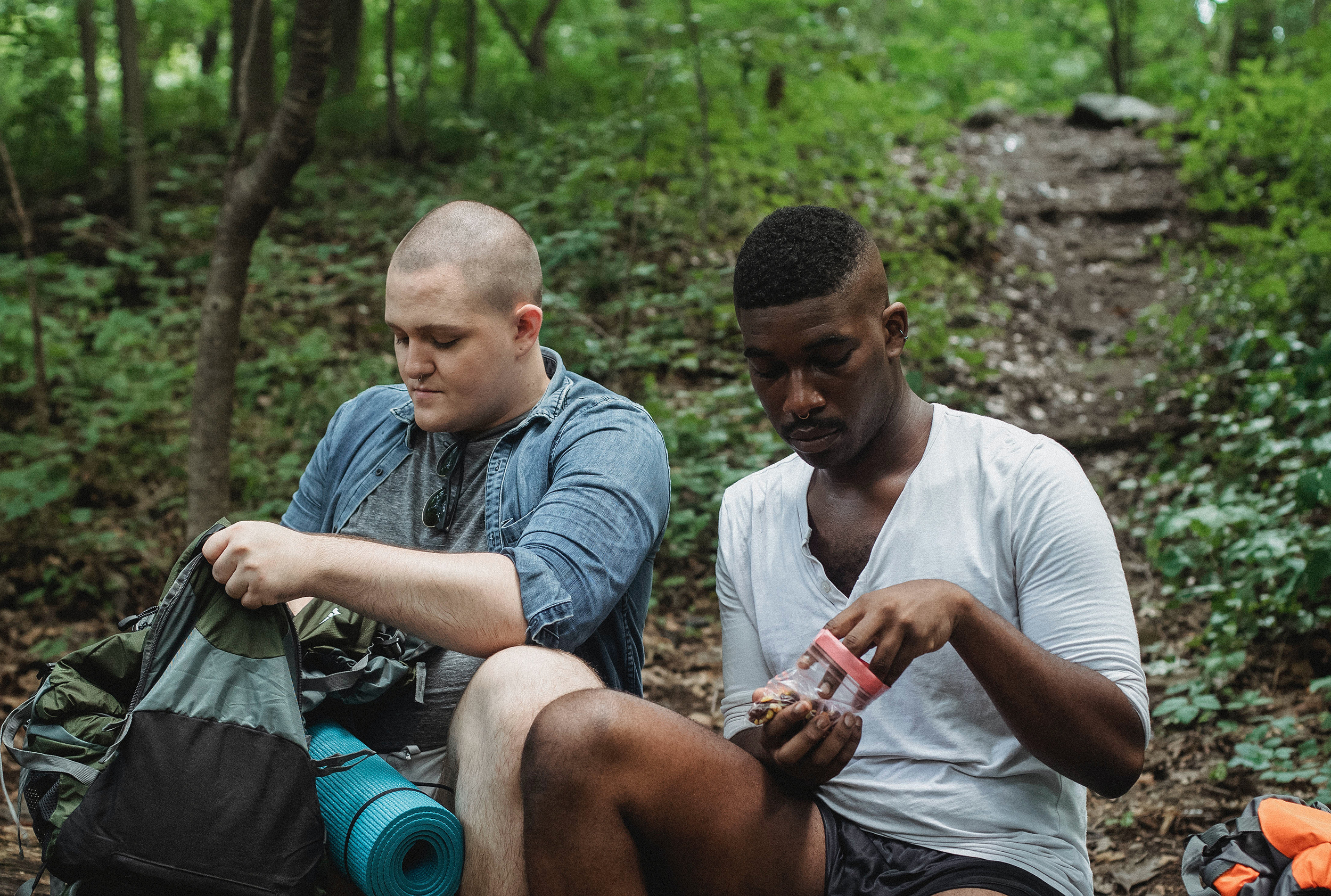
Friends having a snack while camping. Photo: Kamaji Ogino via Pexels

These will quite literally save your neck. Not only do they enable you to repackage bulky food items into smaller space-saving pockets of joy, but also act as a drip-free bin bag for your rubbish the next day. Jackpot!

Cotton off - synthetic on

Great things are afoot, you can feel it in your sole. Photo: Daniel Parsons/DCCEEW © Daniel Parsons
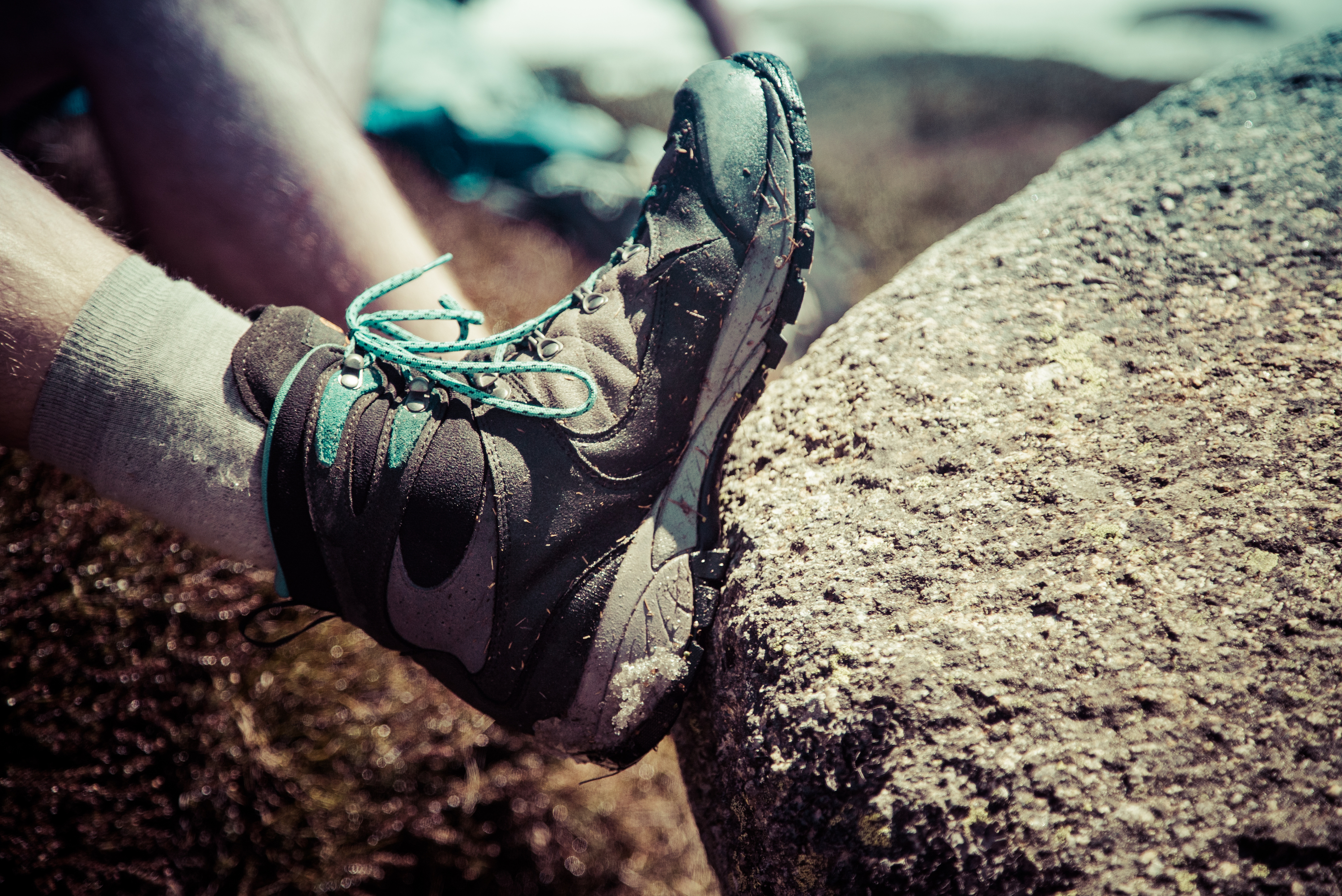
Close-up view of a hiker's boot. Photo: Person admiring view of Snowy Mountains, Kosciuszko National Park. Photo: Daniel Parsons/DPIE

Cotton is a bad choice for campers and hikers; it traps sweat and moisture which dries slowly and encourages the dreaded chafing. Always opt for good quality synthetic clothing that is soft, lightweight and most importantly absorbent.

Pro tip: Use woollen socks when bushwalking. Cotton socks absorb moisture and cause your feet to rub giving you bad blisters on your feet. Another trick is to duck tape your socks around your ankle to prevent them slipping down.

K(not) again

I'm embarrassed to admit it, but I am terrible at remembering how to tie knots. I can get by with the basic techniques, but there are several companies that make pocket sized knot guides you can tie onto your packs to help remind you how to tie a better knot.

Nalgene bottles - the multi-functional water bottle

Not a real Nalgene bottle but you get the picture. Photo: Daniel Parsons/DCCEEW © Daniel Parsons
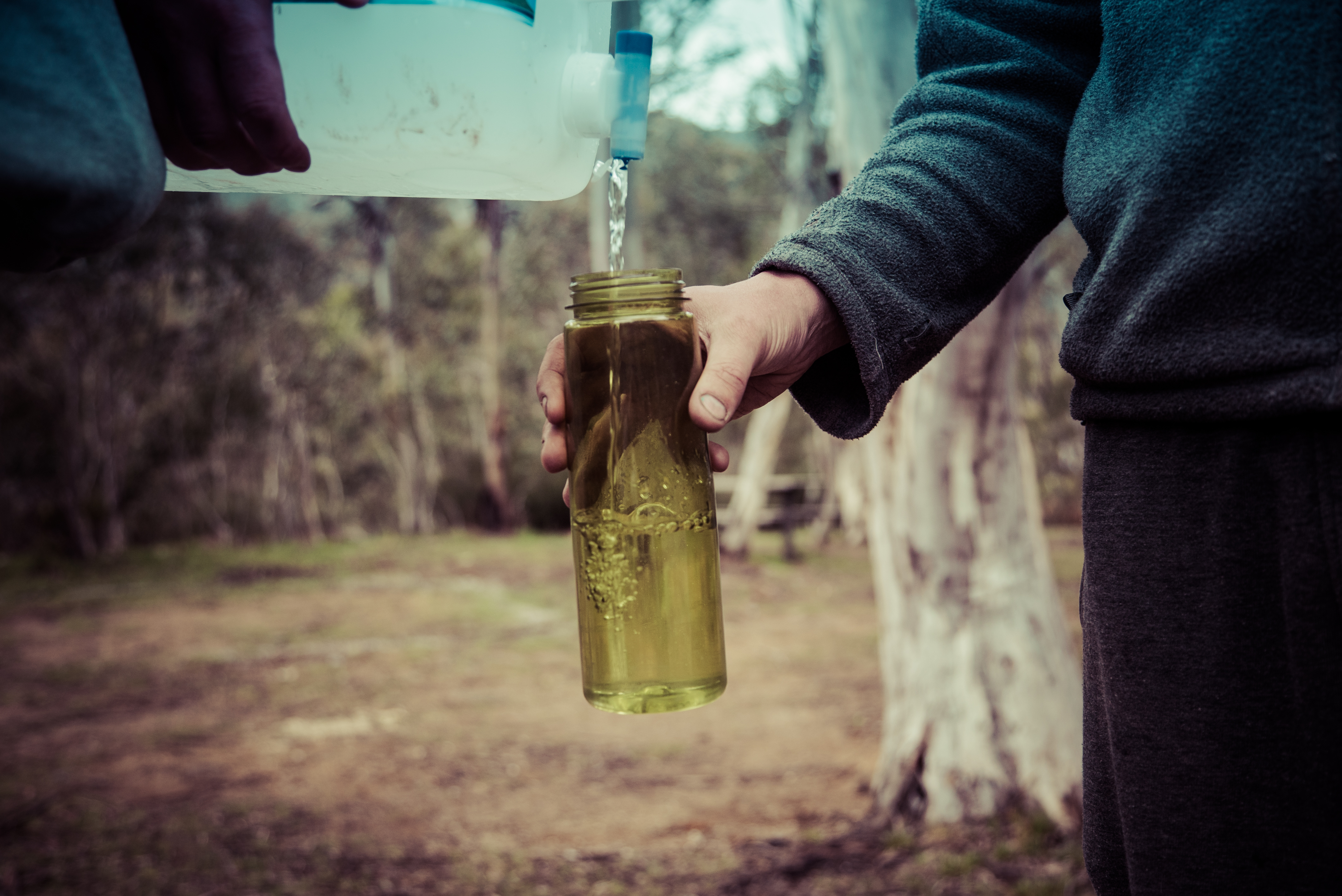
People filling a water bottle in Kosciuszko National Park. Photo: Person admiring view of Snowy Mountains, Kosciuszko National Park. Photo: Daniel Parsons/DPIE

Not only are these a highly trusted water carrying vessel, but if you put your head torch in an empty one it’ll double up as an impressive communal lantern. What’s more, if you plonk your phone in there you’ve got yourself a hot new music speaker.

Stay camping safe with more tips here.

Now you're armed with a very particular set of camping skills the question is - where are you going to go first? 

Bonus: We've made things easy - check out our ultimate camping checklist. You're welcome.

Why create an account?

  • Create lists of your next adventures
  • Get closure alerts by email
  • Save your personal info to make it fast and easy to fill in trip intention forms
  • And more features coming soon