What you wear on your feet is one of the most important things to get right before a multi-day hike. Don’t worry though, you can get it right with a few simple… steps. Just don’t underestimate it.
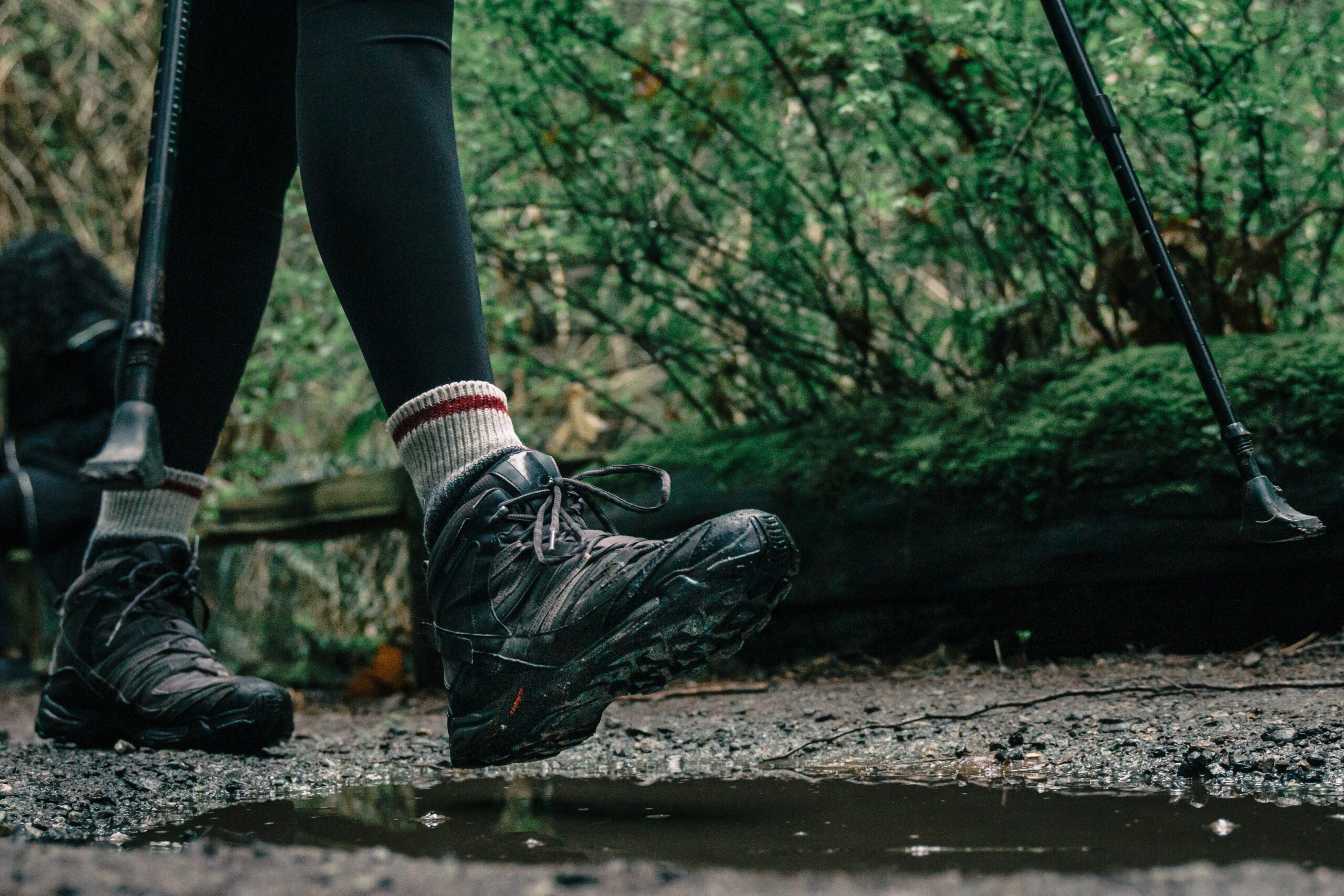
You’ll want shoes or boots with good grip on the bottom, support for your feet on uneven surfaces (while walking with a heavy pack), and a great fit. Again, these can be found at good hiking and camping stores and it’s best to get fitted by a staff member.
It’s important to tell the staff your actual size (unless they have the tools to measure your foot). Many people try and add a size themselves which can confuse the staff and lead to a shoe that is too big. While you do want a bit of extra room for thick socks, swelling feet, and to keep your toes away from the end, you don’t want to overdo it. Going in the afternoon and bringing the socks you intend to hike in helps ensure a good fit.
While many modern hiking shoes and boots don’t require a long ‘break in’ period it’s always a good idea to do some solid walking, even some day hikes, in your shoes before you commit to hiking for a few days in them.
-
Trail runners or hiking boots?
This is a common question that comes down to personal preference. Trail runners are lighter and more flexible, which can be great for confident or fast walkers. Boots on the other hand are tougher, help prevent rolled ankles, and keep out more dirt and water. There are many hybrid models on the market now that offer the best of both, but think about how stable you are and how long you want your shoes to last before making your decision.
-
What about waterproofing?
Waterproof shoes or boots are great when trails get wet or muddy. That being said, they can be warmer and if they do get wet (especially through that big hole in the top), they will take longer to dry. Waterproofing is usually the better choice for beginner hikers as dry feet are the best way to prevent blisters.
Speaking of preventing blisters, don’t underestimate the importance of good socks. You’ll want to avoid cotton and go for merino wool or synthetic blends, just like with your hiking clothing. Good hiking socks won’t rub your feet badly, even when they’re wet, and merino socks will continue to keep your feet warm even if they’re soaked.