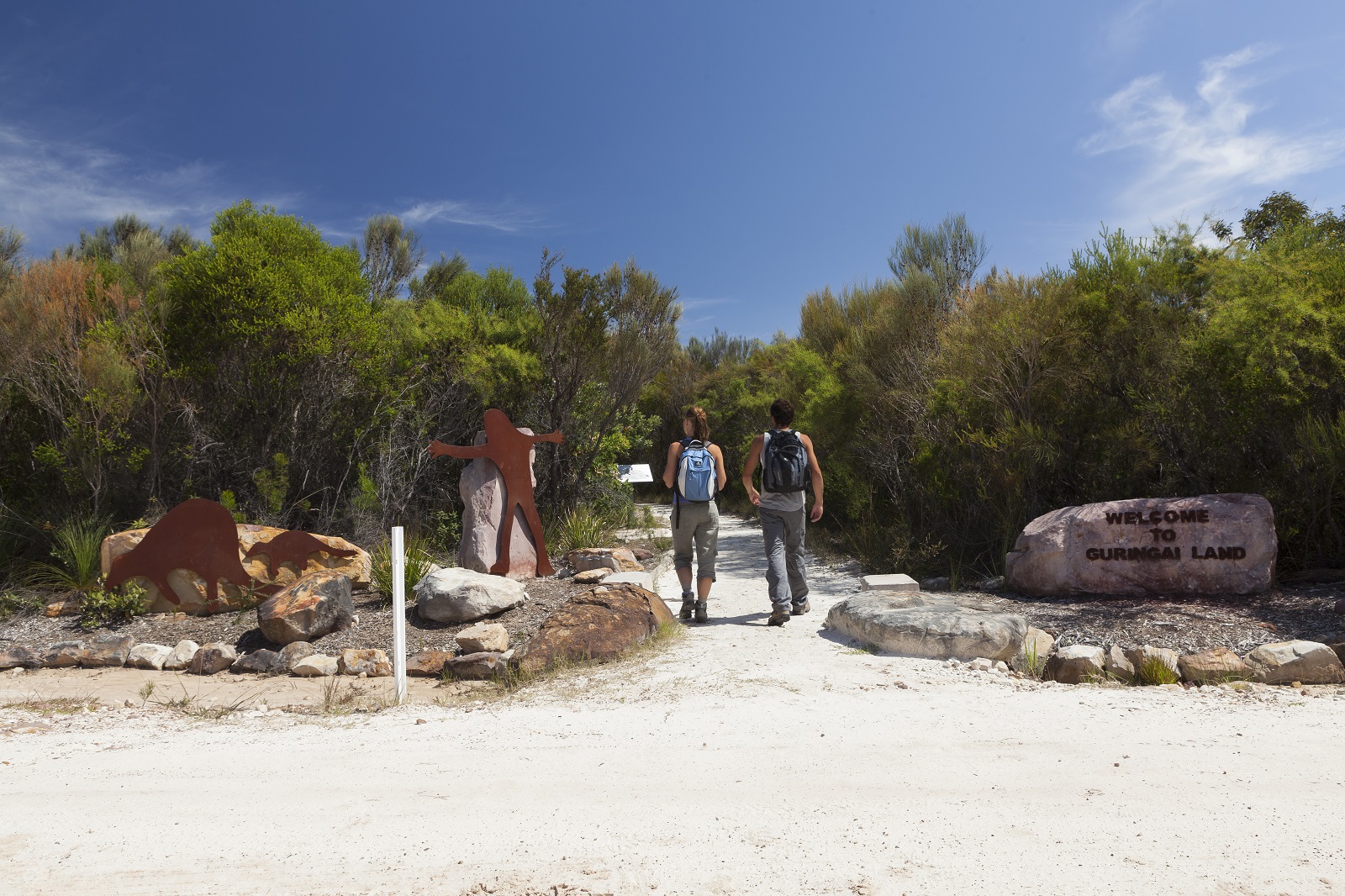
And you’re off… Crunching russet leaves underfoot, the fresh smell of discovery in the air. The Aboriginal Heritage walk, sometimes called the Resolute Loop trail, serves up a choice:
- Head for West Head lookout via the famous Red Hands Cave, (around 30-40 mins).
- Or, make for Resolute Beach via the Resolute Track (1-1.5 hours), taking in a culturally significant an important engraving site.
Either way, remember it’s a looping trail, so you’re only choosing the order. Follow the signs and you won’t miss a thing. The total walk is around 5km, estimated to take around 3-3.5 hours. Add extra time for beaching, picnicking and reflecting; a sure sign that you’ve connected with the sacred history and often devastating stories of this place.
Learn more: About the incredible Aboriginal Heritage in Ku-ring-gai Chase National Park on a guided tour with a Traditional Custodian.
No matter which way you go, here are key sites to look out for.
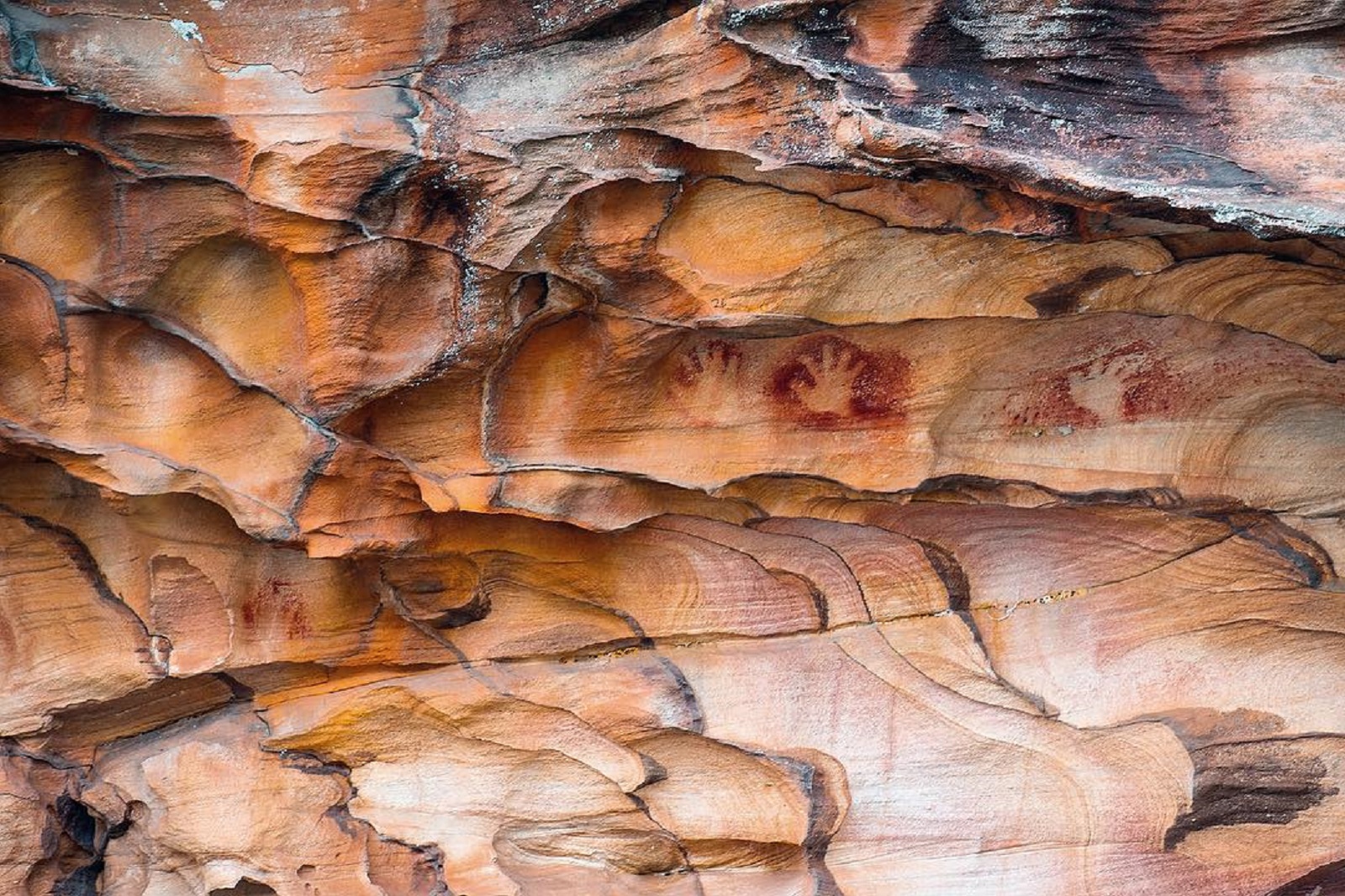
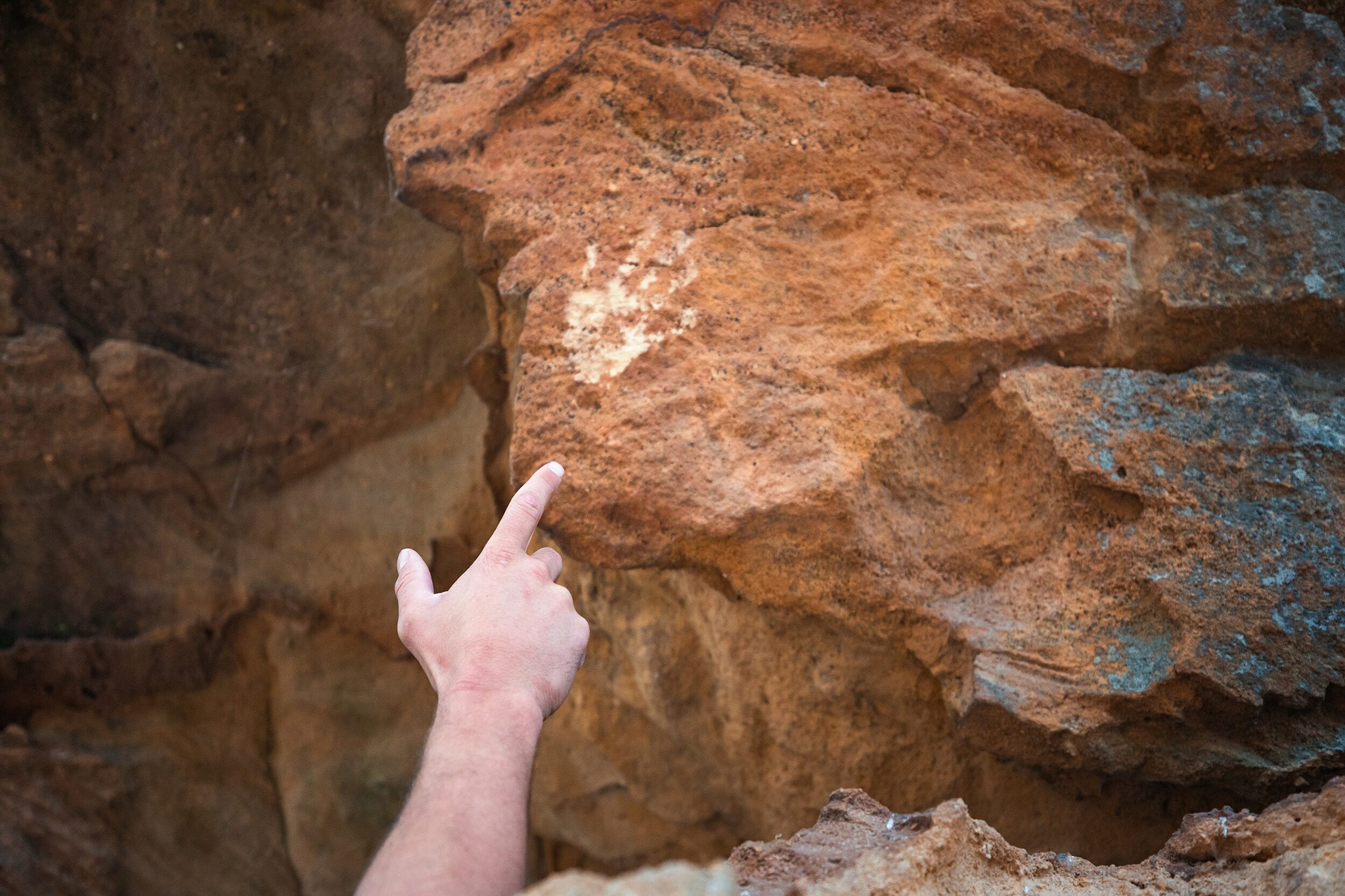
The Red Hands Cave walking track is a short walk (0.6km and 30-45 mins) from Resolute picnic area. It’s an important site for the Aboriginal people of this area as it provides physical evidence of tribal ancestors – and a spiritual connection to the past. Handprints tell a story in the sandstone. Avoid the temptation to overlay your hand on these prints, the acids on your skin will damage them.
Did you know? Elders would leave their imprints higher up on the wall of the cave, including their wrists and forearms, which indicated their more senior status. Younger members’ prints are lower down. Also, the hand impressions were created by two methods: ochre blown over an outstretched hand produced a ‘negative’ impression, and a hand covered in wet clay and pressed against the rock left a ‘positive’ print.
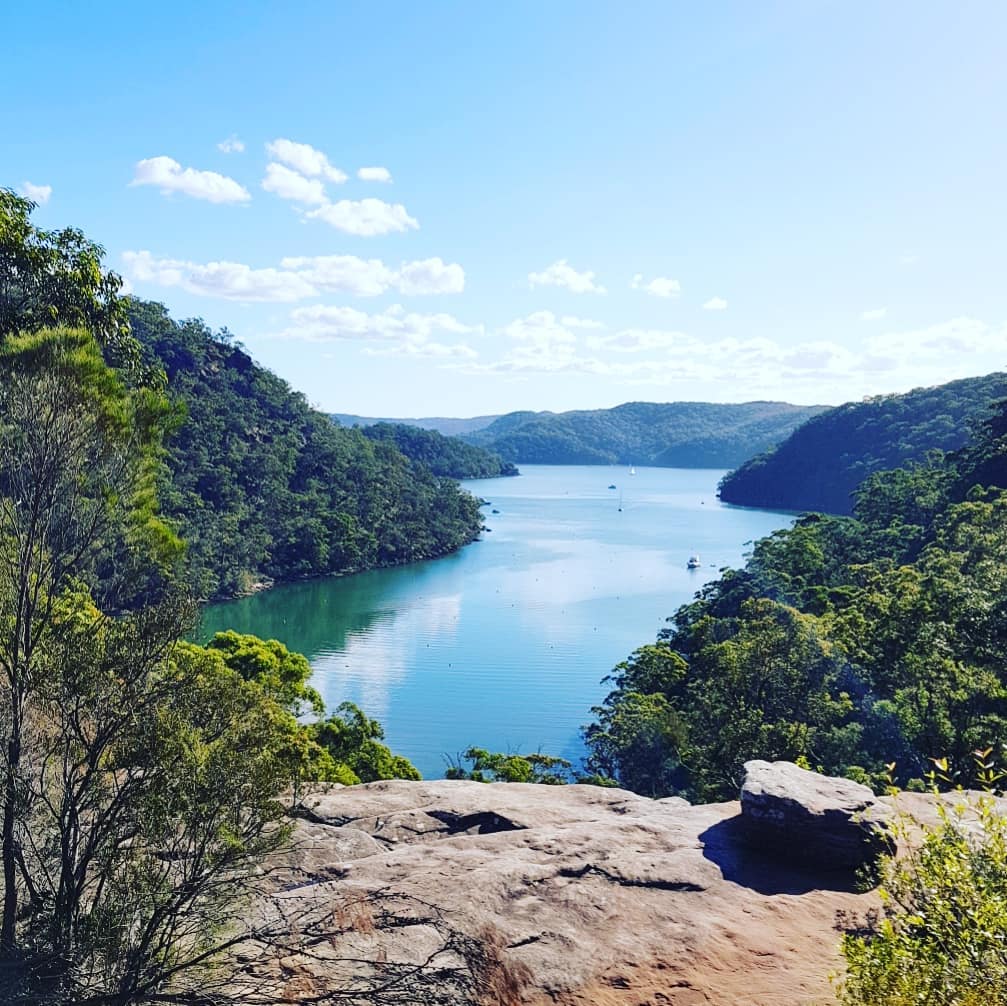
At 60m wide, rock-free and a million miles from Bondi - this beach defines the term ‘hidden gem’. Throw in calm waters and shade and this sandy stretch sure does deliver. As you sink your toes in, consider the traditional custodians of the land and how they might have experienced this place.
Did you know? The Aboriginal women of the area would launch their stringybark canoes from the sands of Resolute Beach, fishing with lines made from twined hair and plant fibre. It’s said they often sang as they fished.
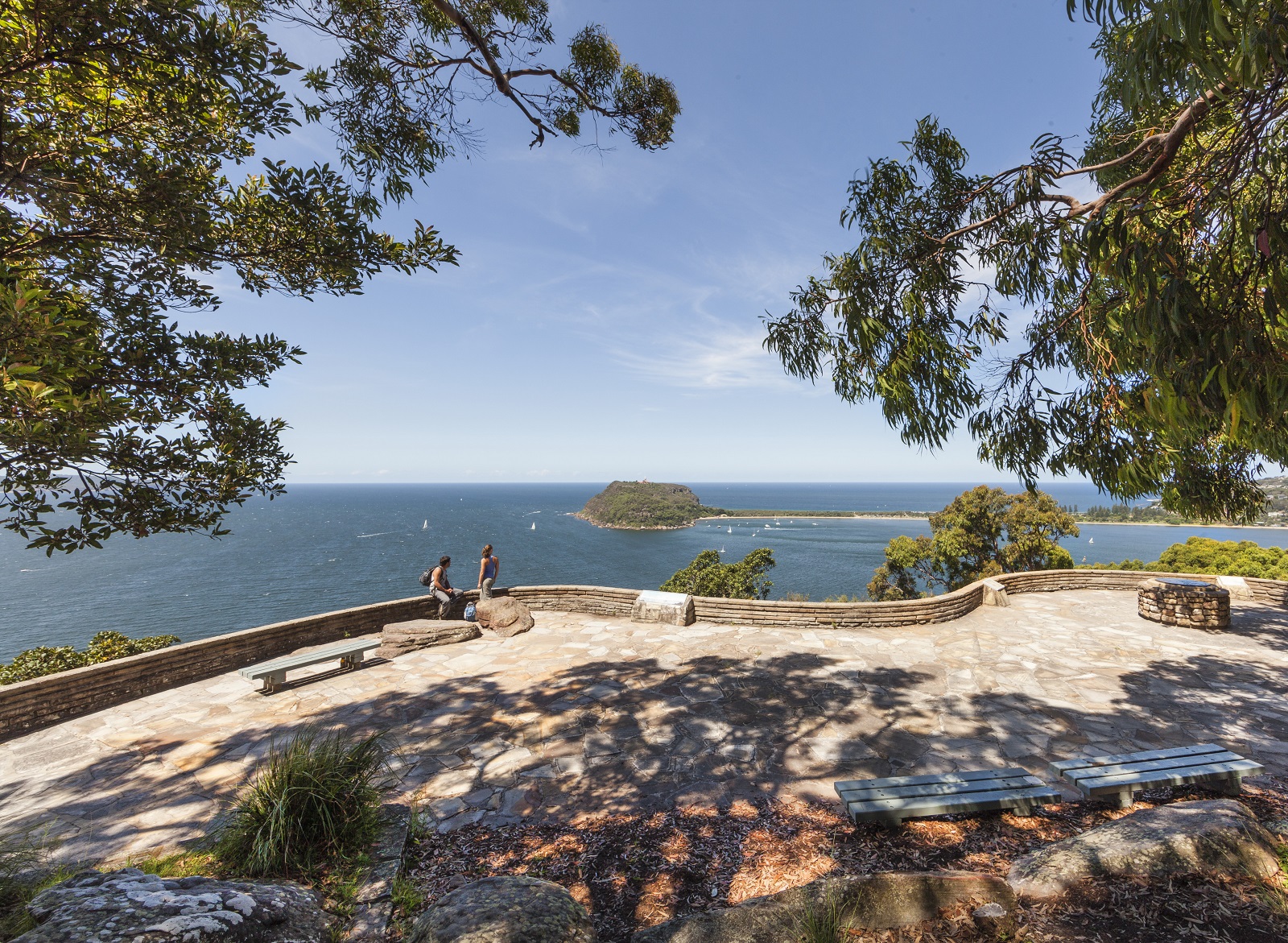
It’s impossible not to take a photo here, but harder still to capture the breathtaking nature of this epic vantage point in digital format. But go on - try! And remember to tag #NSWParks.
Once the camera is away, rest and ‘be’ for a moment. From here you can imagine what it would've been like to have seen the large European ships with their weathered sails arriving.
Did you know? In April 1798 a sudden and unusual epidemic of smallpox was reported amongst the Port Jackson Aboriginal tribes. This had a devastating and irreconcilable impact on communities all along the coast with up to 90% of the community succumbing to the disease. Those aged five to 14 were reportedly the least susceptible to the virus – so many children were left to continue on and reimagine their societies without their Elders and mothers’ guidance.
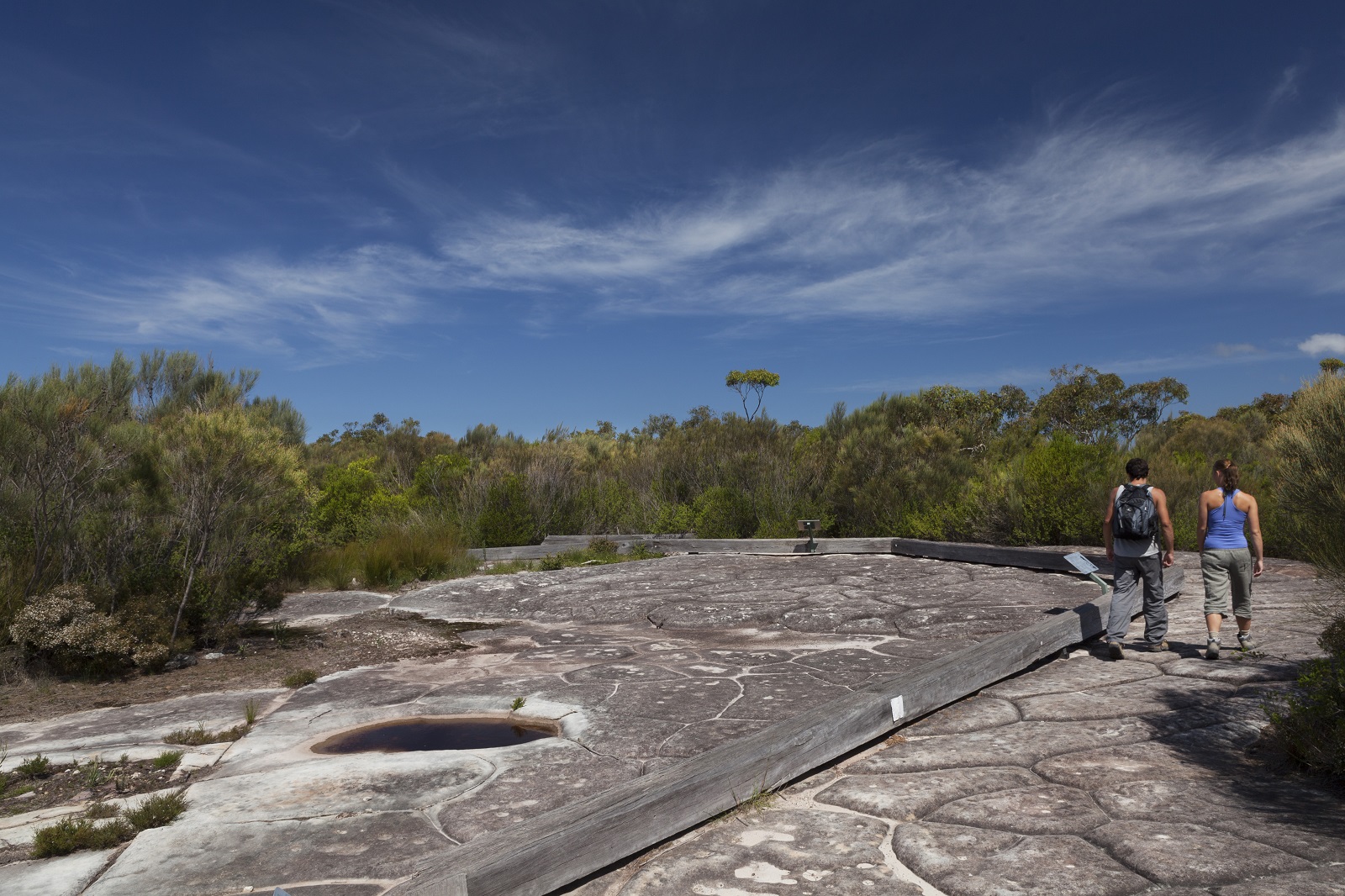
Carved into the grand, flat sandstone are figures - both human and animal - and tools for hunting. It's hard to know exactly how old these engravings are, but others in the park have been estimated to be well over 5,000 years old. The engravings are best viewed early in the morning or in the late afternoon when the light casts deeper shadow, allowing for better viewing.
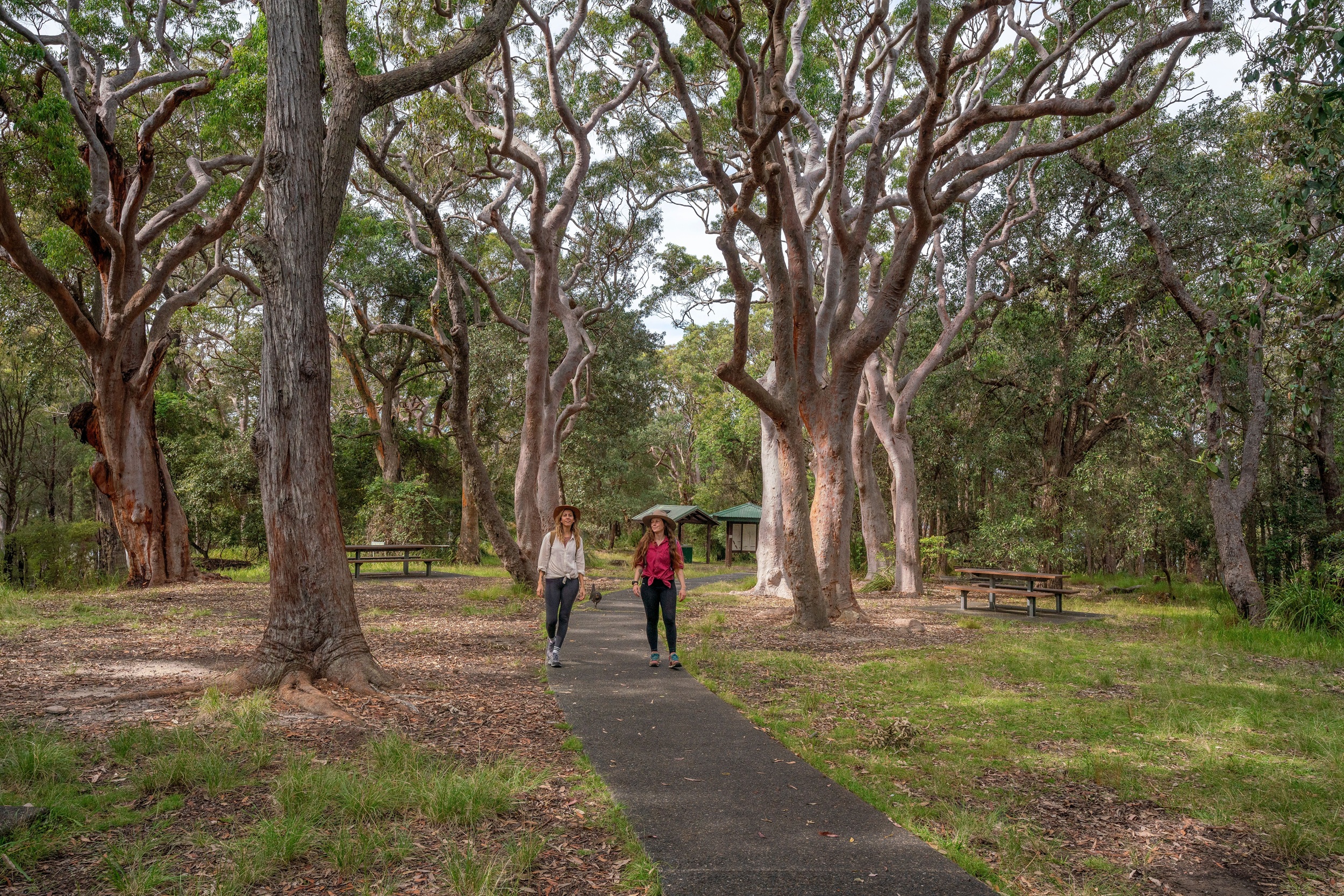
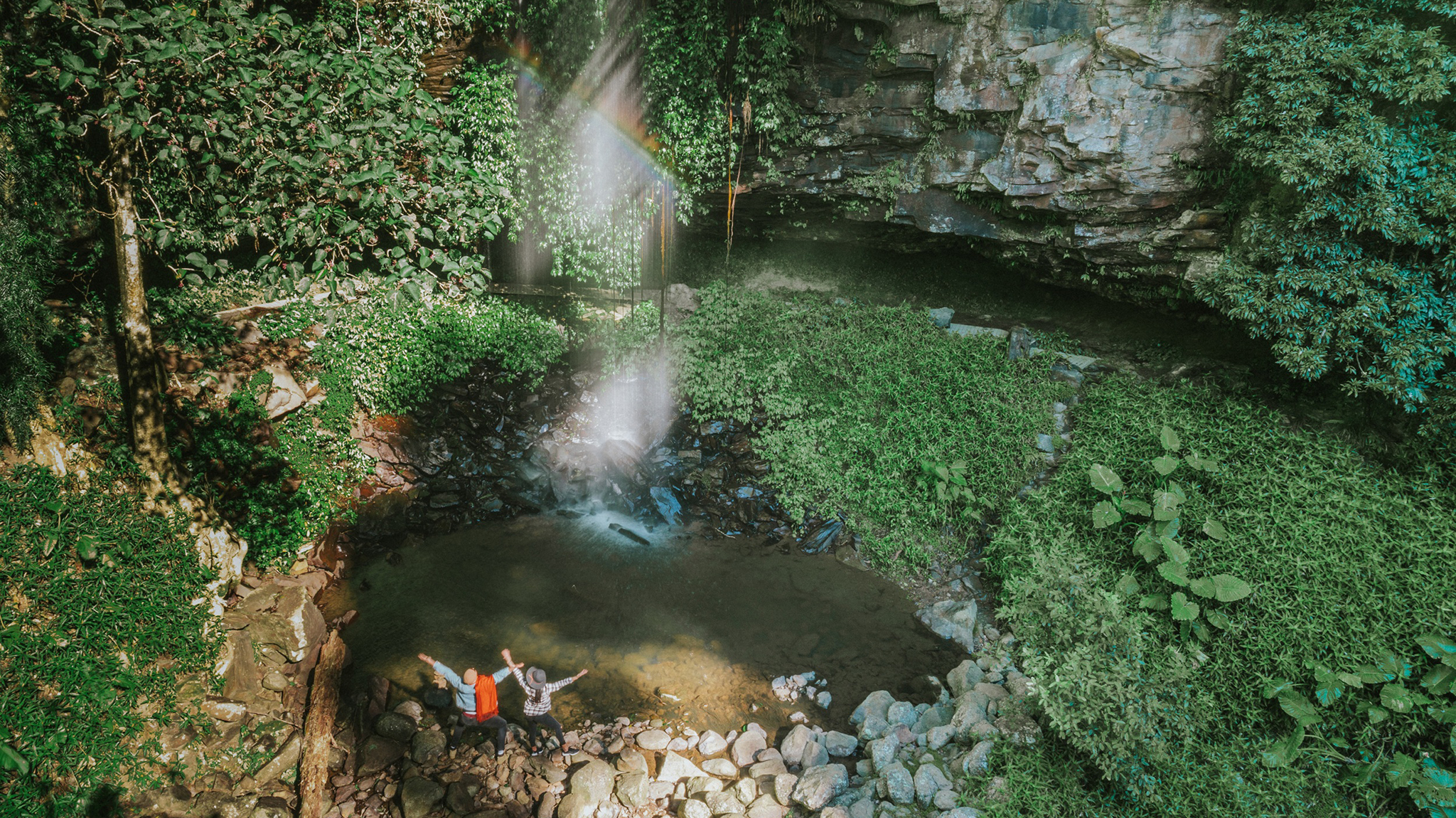
I could try to describe the beauty of the bush, plants, bird calls, insects and reptiles that cross the path - all these things rich with meaning, story and significance - but you really just need to go see for yourself.
Did you know? Over 900 plant species thrive in Ku-ring-gai Chase, including the highly-poisonous Burrawang Palm. Aboriginal people were said to have soaked these palm kernels in water over several weeks. The seeds were then ground to paste, cooked and eaten. This wisdom and knowledge of Mother Earth and her fruits lies at the core of Aboriginal peoples’ highly sophisticated and sustainable connection to Country.